


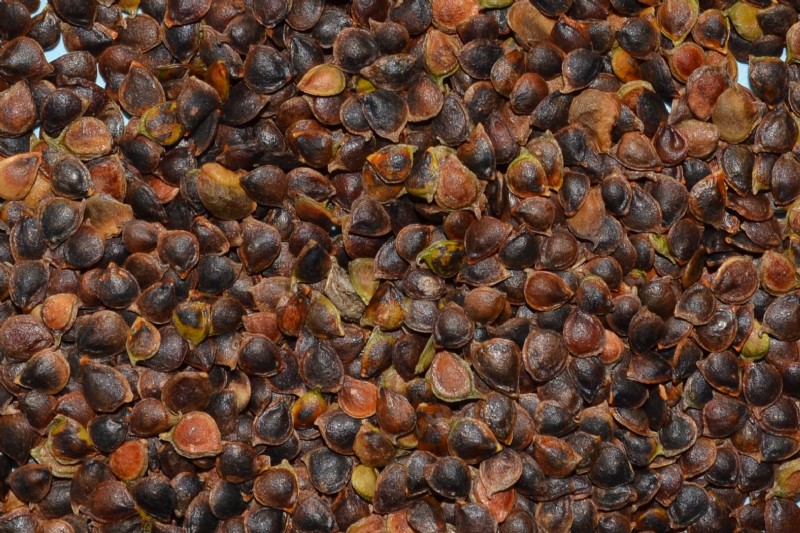
 Seed
Seed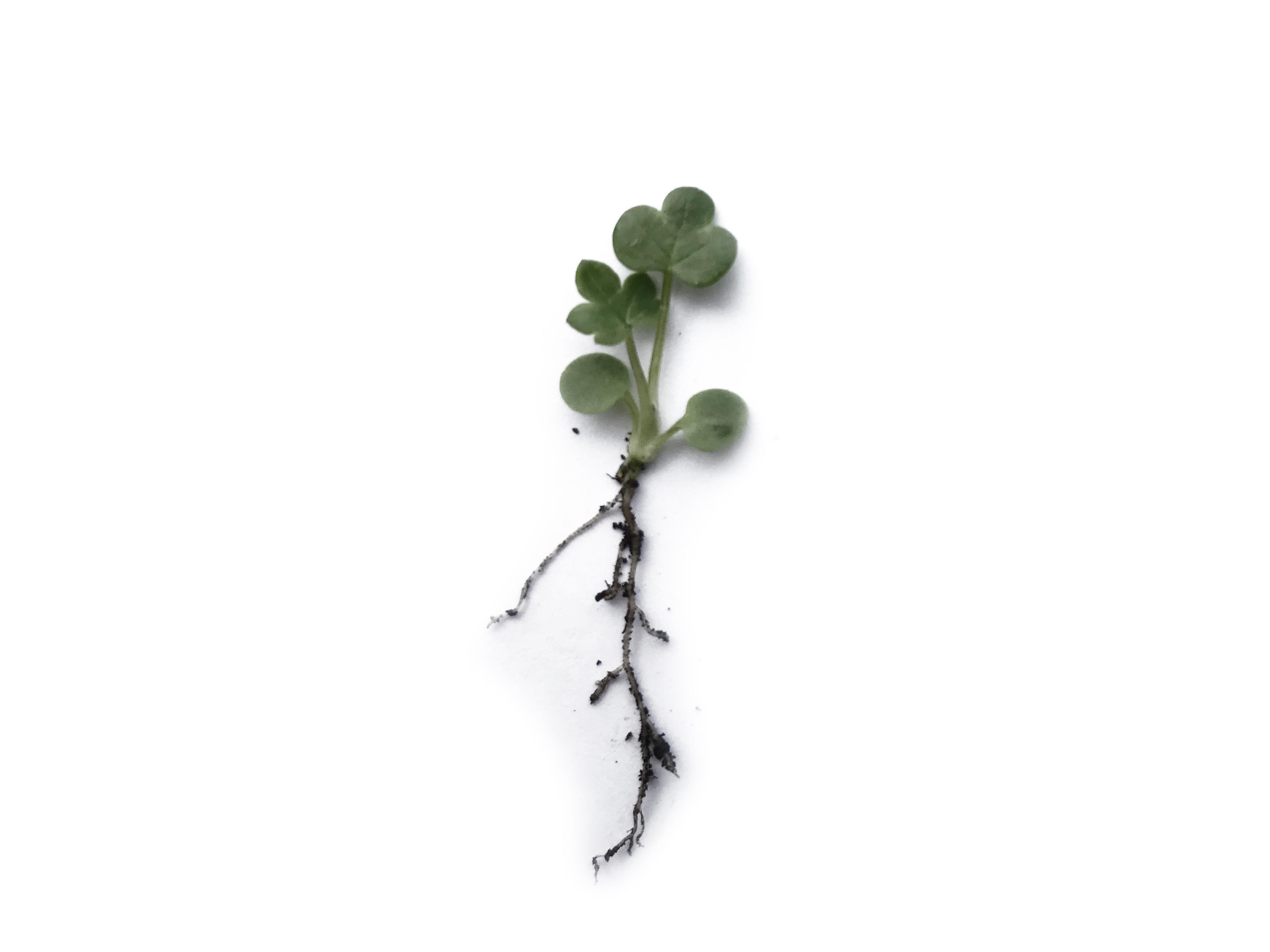 Seedling
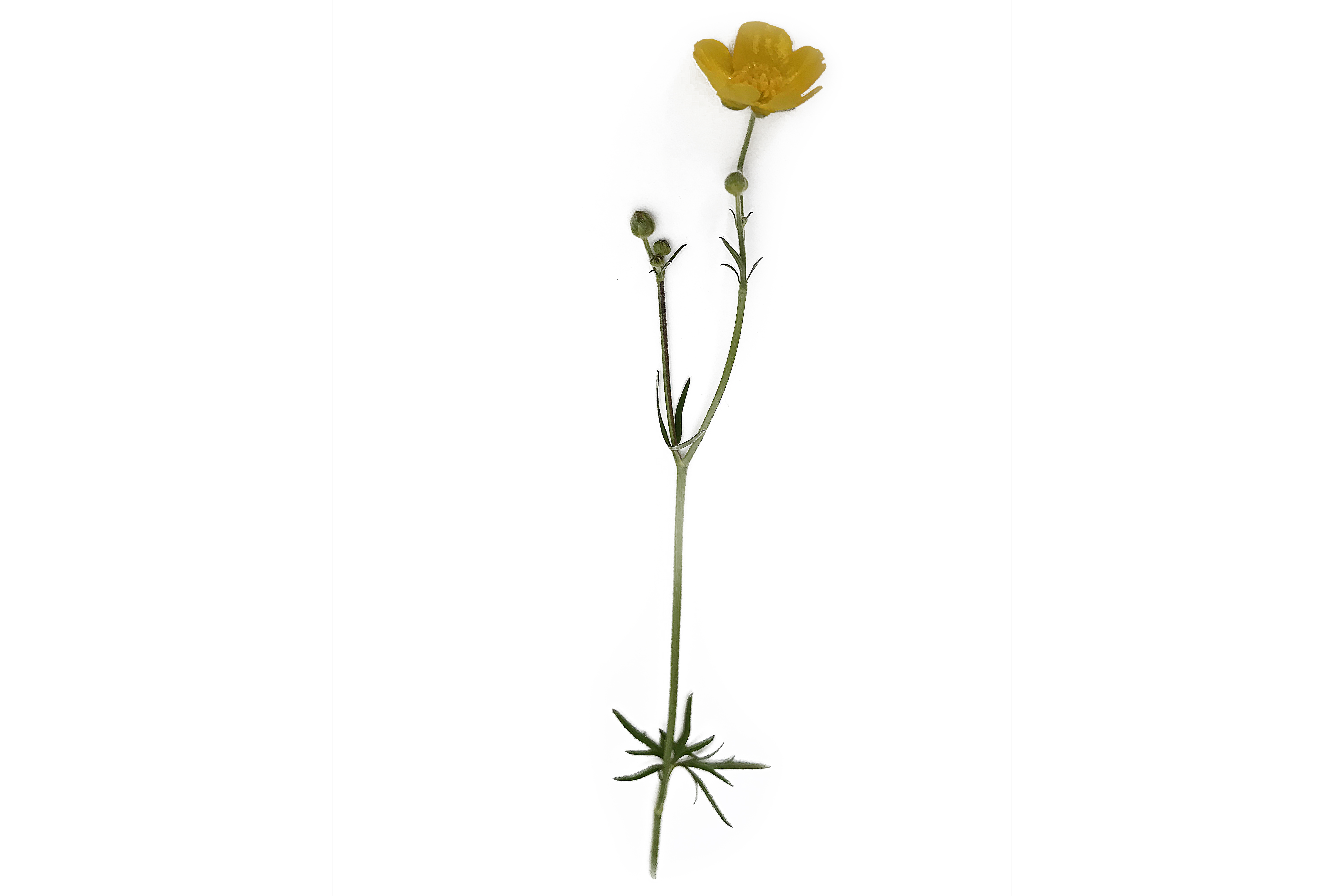 Flowering Plant
Meadow Buttercup
There are several species of buttercup, this species is different from the creeping buttercup that many regard as a grassland weed. Found in older grasslands and damp grassy places, it is the tallest of the common buttercups.
Uses
As a colourful component of wildflower mixtures.
Persistence
A perennial, hardy species.
Strengths
This species has a long flowering period.
Frost Tolerance
Meadow Buttercup is not resistant to severe cold/frosts. Can tolerate down to 0C, although temperatures below 15C will produce compact plants and may delay flowering until April.
Ideal Sowing Time
Meadow Buttercup seeds can be over sown directly into established meadow grasses or in bare soil in the spring or autumn.
Management
It survives frequent cutting.
Distinguishing characteristics
SeedSeed
The seed has a flat, rounded pyramid shape, with a point toward one or two of the corners. It is a browny, black colour and is approximately 3mm in size.
SeedlingSeedling
The seedling plant produces two round cotyledons on short petioles. The first true leaves are minutely hairy, larger in size and split into three lobes. The middle lobe is not stalked unlike other buttercup species.
Flowering PlantFlowering Plant
This is a dark green plant, with compound to lobed, split leaves. The flower heads have five shiny, yellow petals.
The plant roots are not stoloniferous, unlike creeping buttercup and does not have swelling at the base like bulbous buttercup.
Additional Info
Flowers April - September. It can reach from 20 - 90cm in height. The petals of buttercup flowers trap a thin layer of air between two layers of cells. This gives them a mirror-like quality that reflects light, making them highly visible to pollinators.
Works well with
Bulbous buttercup, common sorrel, creeping buttercup and oxeye daisy.You can find Meadow Buttercup in the following mixtures
- Cotswold Wild Flora
- Meadow Over-Seeding Just Wild Flowers
- Chalk & Limestone Soil Mixture
- Damp Meadow
- Acid & Clay Soil Mixture
- Woodland Edge and Shady Area Mixture
History
The origin of the name appears to come from a belief that it gave butter its golden hue.
Related Articles

Cotswold Grass Seeds, Cotswold Business Village, London Rd, Moreton-in-Marsh GL56 0JQ
Web design and development by Pixel Concepts


