

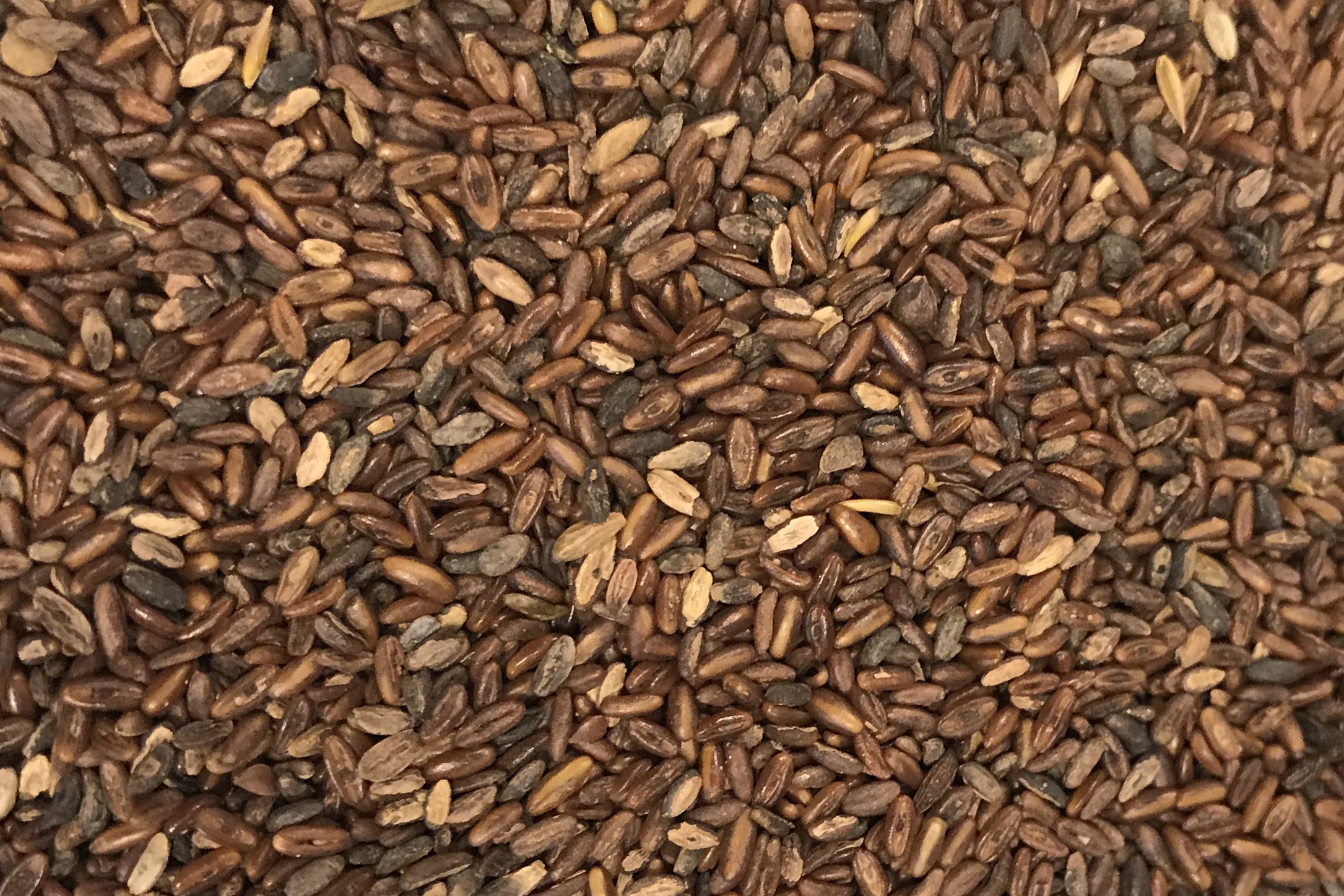
 Seed
Seed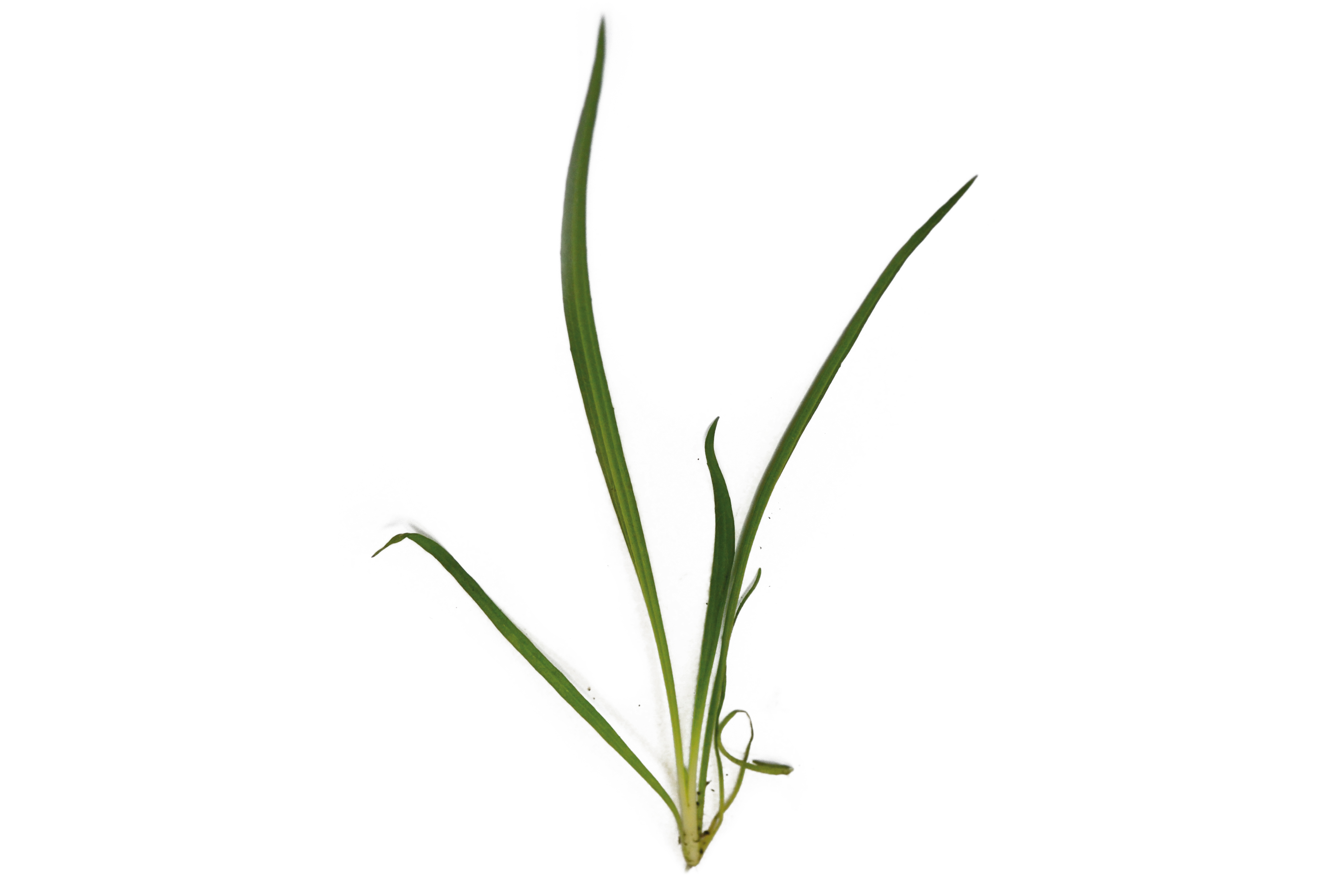 Seedling
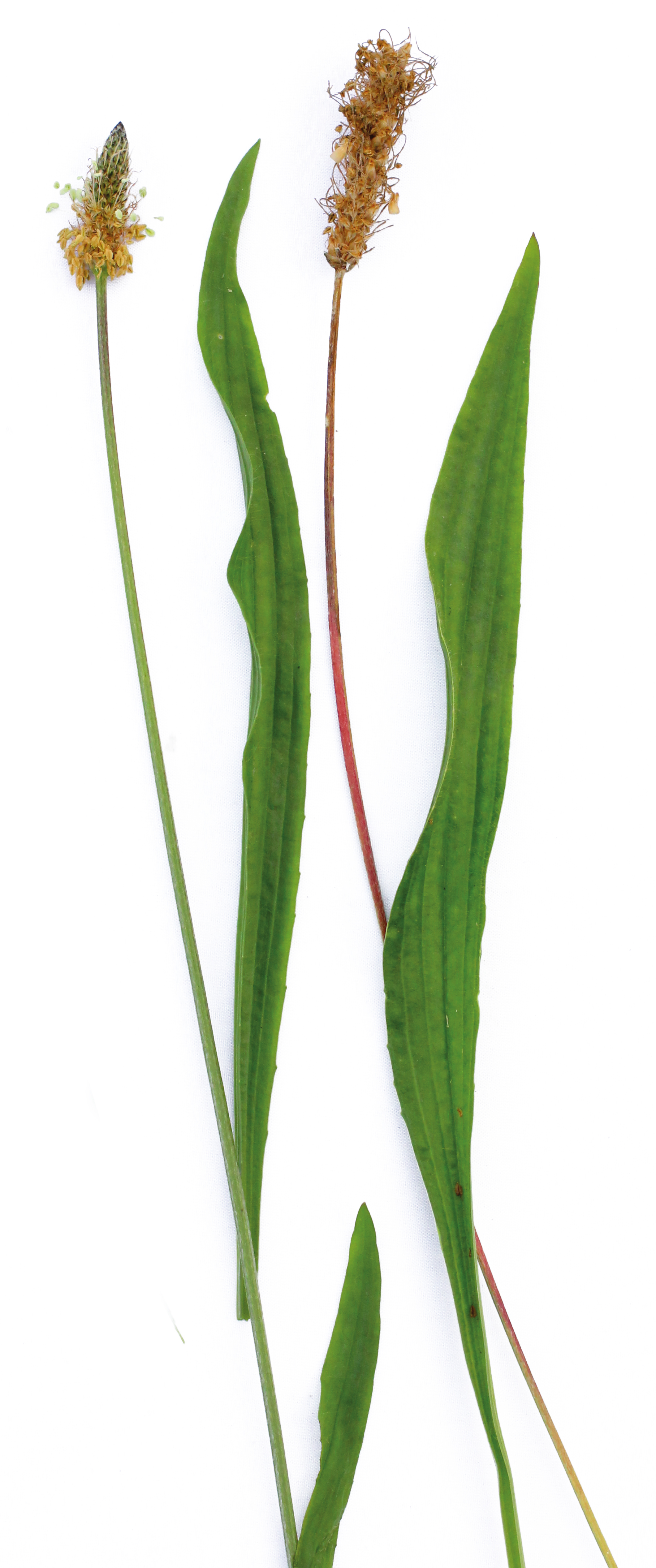 Flowering Plant
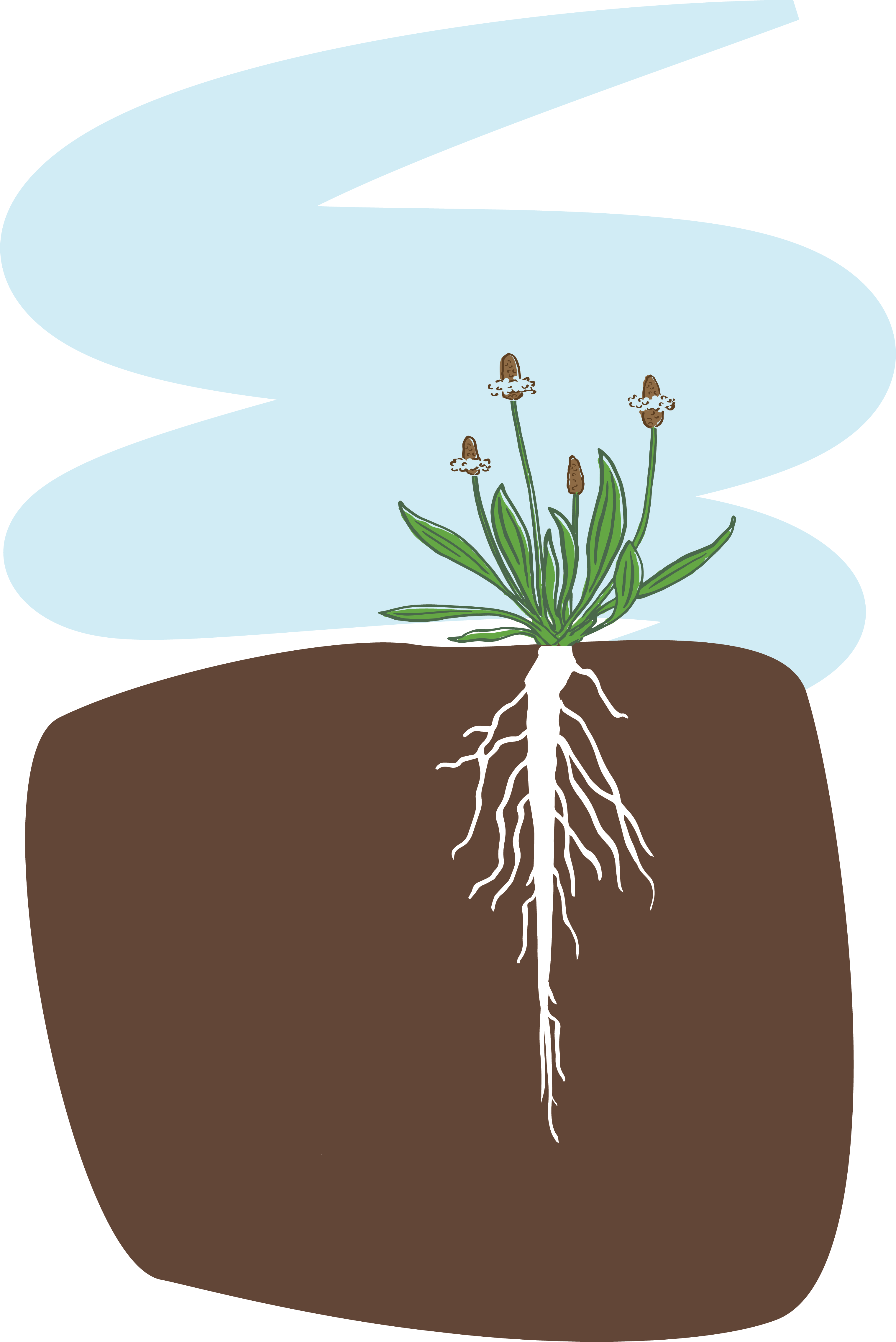
Ribwort Plantain wildflower
The erect leaves are ribbed with 3 to 6 veins. The flower stalk is deeply furrowed, and the flower spikes are shorter and very compact. It grows from 6 inches to 2 feet tall and is a good source of vitamins and minerals for grazing animals.
Uses
Ribwort plantain will flourish in meadows, attract many small butterflies and moths and provide a good source of food for birds in the winter months.
Persistence
Ribwort plantain is a perennial with good persistency
Strengths
The seedheads remain for most of the winter, providing feed for birds.
Frost Tolerance
Flowers through to the first frost. Can tolerate low temperatures but won't survive being frozen.
Ideal Sowing Time
Sow from April - September
Management
Ribwort plantain can become a dominant species management either by tilling or mowing can be used to greatly reduce populations of this plant.
Distinguishing characteristics
SeedSeed
oval, smooth, brown seeds.
SeedlingSeedling
Seedling has ovate leaves. True leaves are lanceolate, slightly toothed.
Flowering PlantFlowering Plant
Ribwort plantain has spear shaped leaves that form a rosette at the base of the plant. Short stems grow from its leaves, with compact flower heads that display a halo of protruding white stamens. The flower heads gradually turn brown and seed.
Additional Info
Flowers April to September Some alternative names for Ribwort Plantain are black jack and buckhorn. The flower heads taste similar to mushrooms and can be used to make a mushroom stock but they must be collected after they've turned brown but before they get dry.
Works well with
Ribwort plantain looks best growing with wildflowers that bloom in early to mid summer such as Ox-eye daisy, Knapweeds, Mallows, Meadow cranesbills and scabious.You can find Ribwort Plantain wildflower in the following mixtures
- Floristically Enhanced Field Margin (CIPM2/IPM2/AB8)
- Acid & Clay Soil Mixture
- Damp Meadow
- Nectar Stewardship Mix (CIPM2/IPM2/AB8)
- Cotswold Wild Flora
- Meadow Over-Seeding Just Wild Flowers
Related Articles

Cotswold Grass Seeds, Cotswold Business Village, London Rd, Moreton-in-Marsh GL56 0JQ
Web design and development by Pixel Concepts


