

 Seed
Seed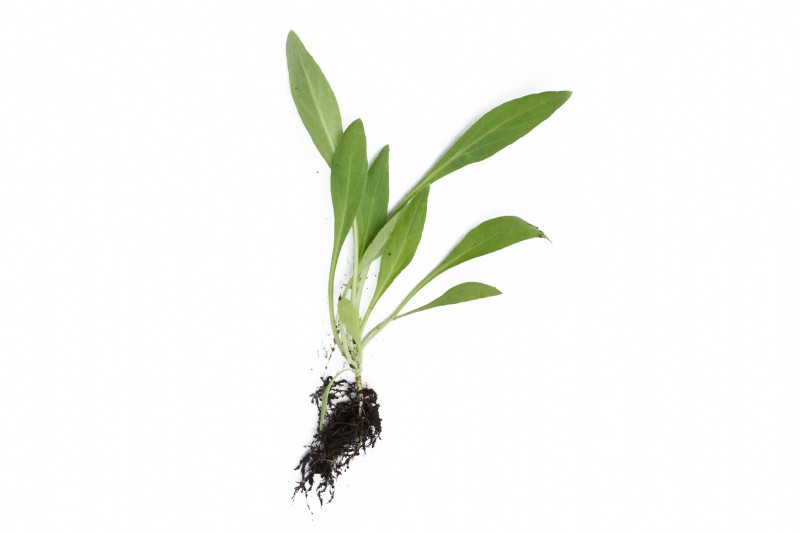 Seedling
 Flowering Plant
White Campion
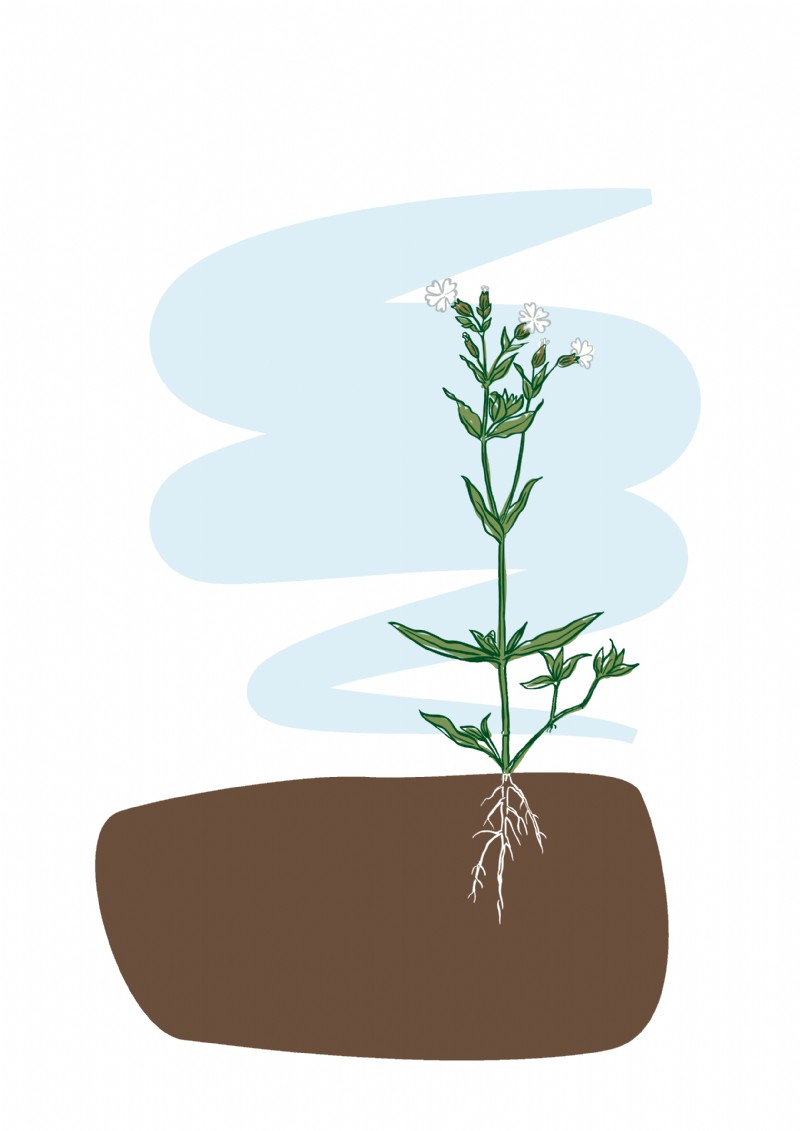
Medium to Tall hairy short lived perennial. Sometimes slightly sticky, the flowering stems are up to 3 feet high, and bear stalks, hairy leaves.
Uses
White Campion attracts a range of insects including bees and at night the blooms produce a clove scent, attracting many feeding moths including the Campion Moth.
Persistence
White Campion is easily grown from seed and is tolerant of mowing. When mature the valves at the top of the capsule reflex and the seeds are shaken out by the wind.
Strengths
White Campion is easily grown from seed and is tolerant of mowing. When mature the valves at the top of the capsule reflex and the seeds are shaken out by the wind. Flower continously from spring through to autumn.
Frost Tolerance
Frost will kill White Campion especially when young.
Ideal Sowing Time
White Campion seeds should be sown in spring or autumn, the seeds are usually easy to germinate and the seedlings are quick to develop.
Management
Tilling or mowing can be used to greatly reduce populations of this plant on farms or in lawns.
Distinguishing characteristics
SeedSeed
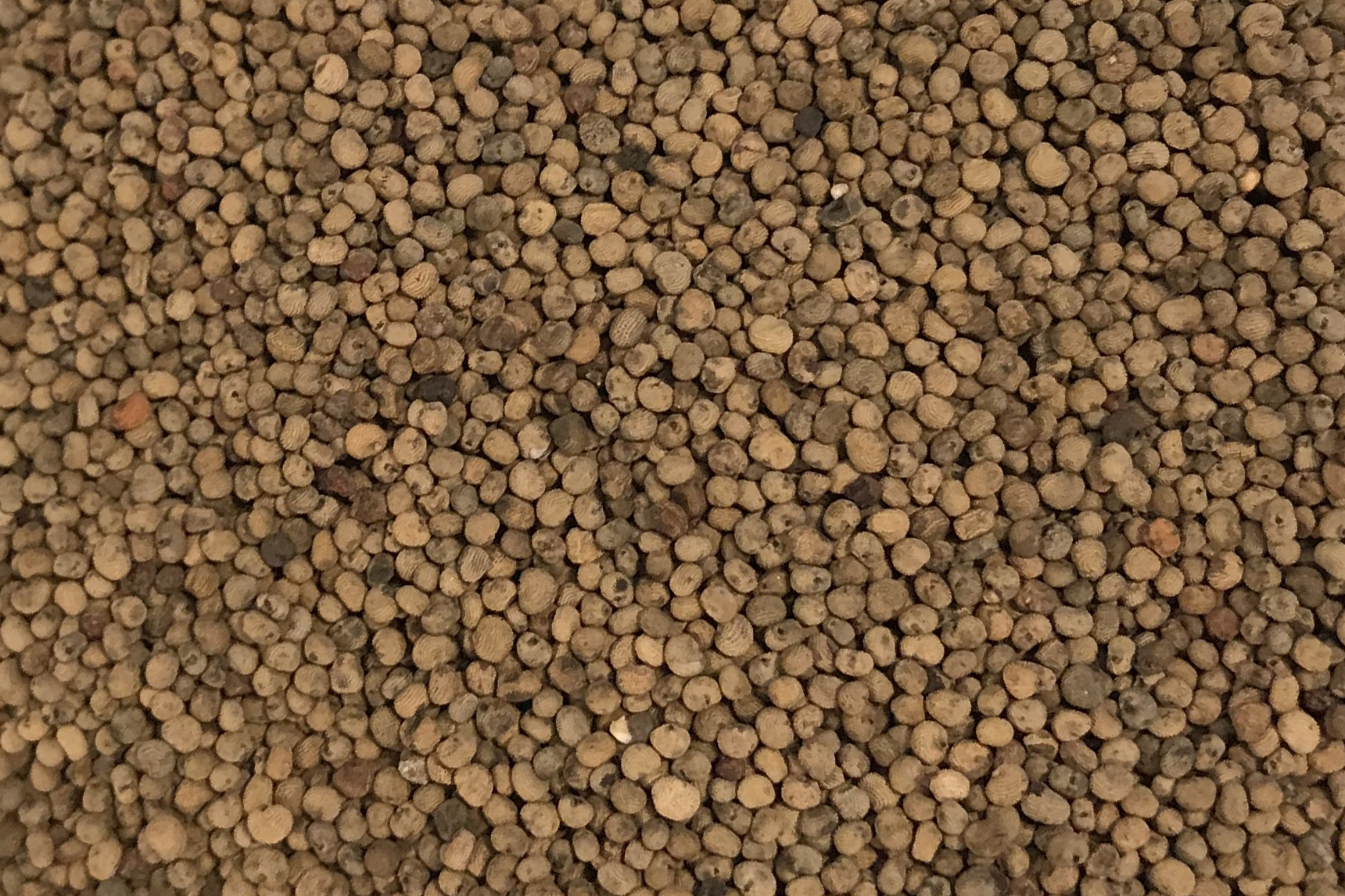
White Campion seeds are grey/brown, with rugged bumps in parallel rows.
SeedlingSeedling
Seedling leaves initially develop from a basal rosette.
Flowering PlantFlowering Plant
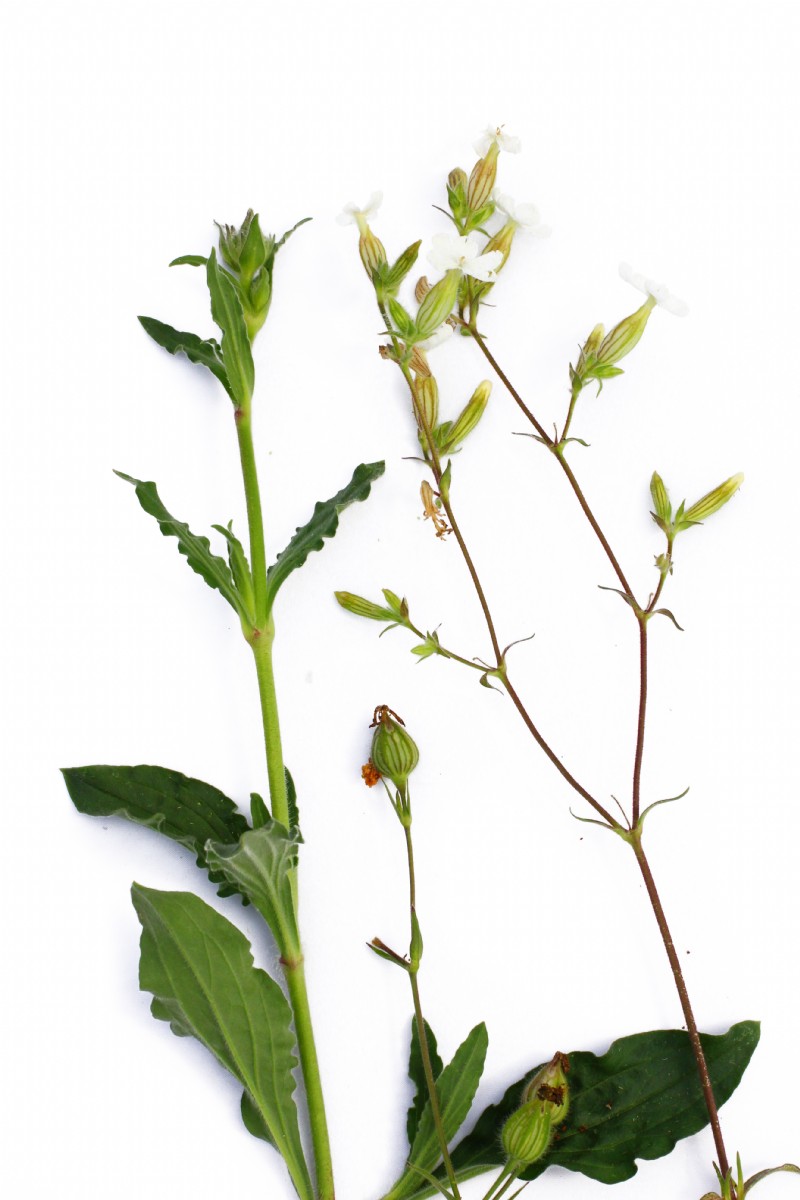
The scented male and female flowers are on separate plants. The male flowers have 10 stamens and the female 5 styles. A hairy calyx surrounds the fruiting capsule, which opens by 10 neary straight teeth.
Additional Info
Flowers between May and September White campion is sometimes known as the 'Flower of the Dead’ as it is commonly seen growing around head stones and in graveyards. Has a strong evening scent which attracts moths and night-pollinating insects
Works well with
White Campion looks best growing with wildflowers such as Oxeye daisies, Knapweeds, Musk Mallow, Meadow Cranesbill and Field Scabious.You can find White Campion in the following mixtures
- Floristically Enhanced Field Margin (CIPM2/IPM2/AB8)
- Nectar Stewardship Mix (CIPM2/IPM2/AB8)
- Cotswold Wild Flora
- Meadow Over-Seeding Just Wild Flowers
- Woodland Edge and Shady Area Mixture
History
White Campion roots have previously been used as a soap substitute and was one of the ingredients in 16th Century Elizabethan pot pourri.
Related Articles

Cotswold Grass Seeds, Cotswold Business Village, London Rd, Moreton-in-Marsh GL56 0JQ
Web design and development by Pixel Concepts


