

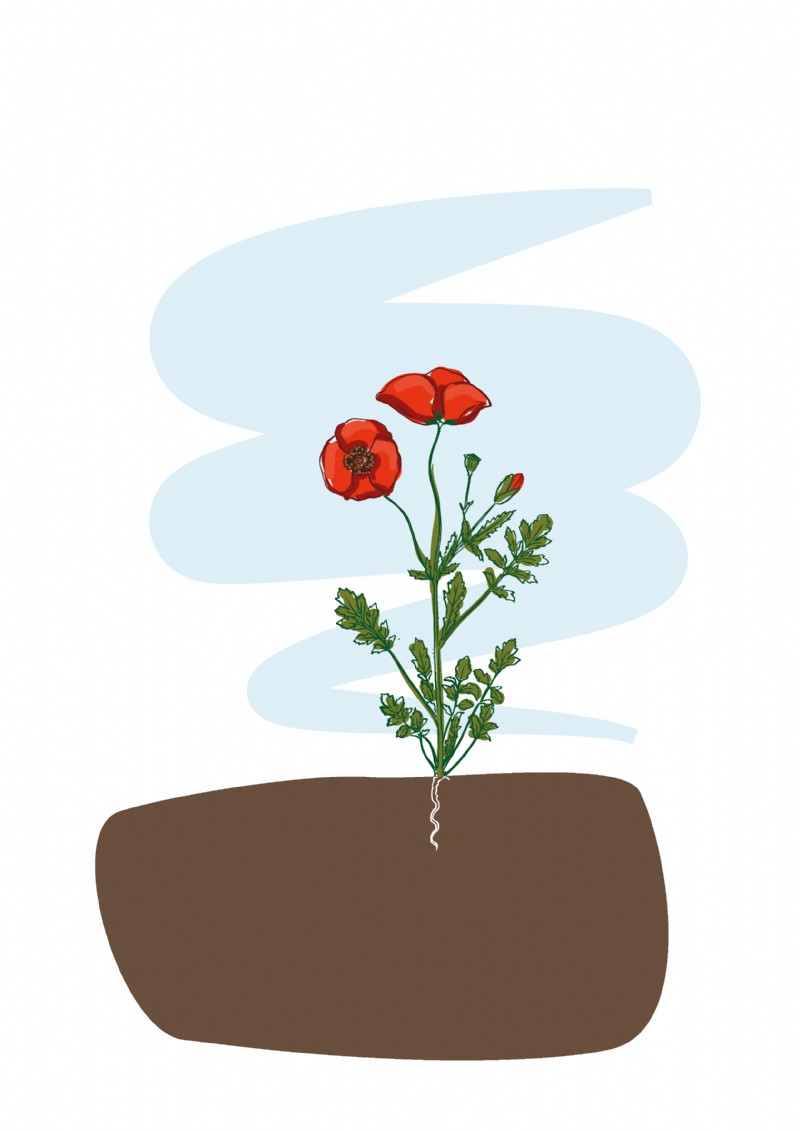
 Seed
Seed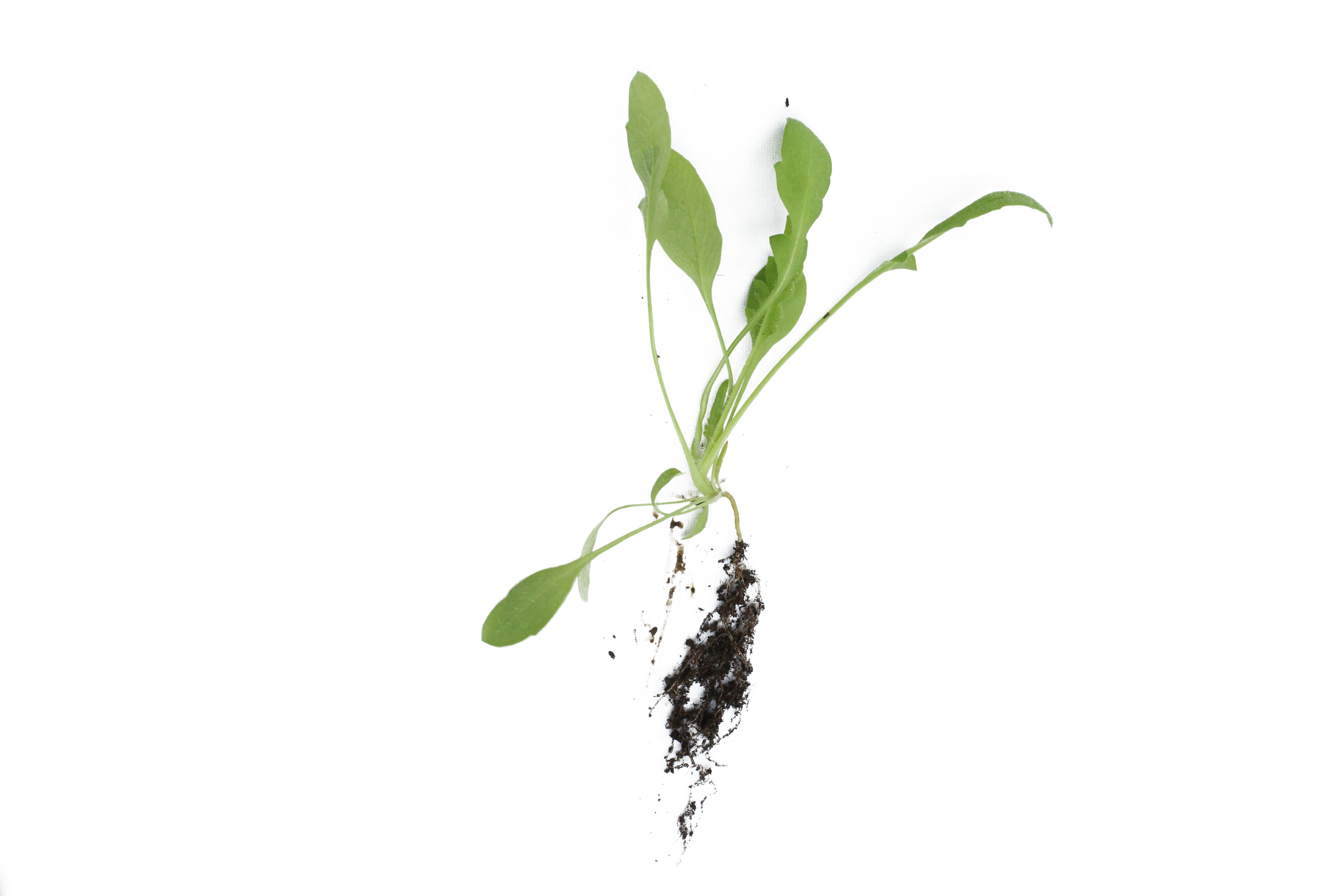 Seedling
 Flowering Plant
Field Poppy
Field poppy grows 1 to 2 feet high and is one of the easiest to grow. It is best known as a symbol of remembrance for soldiers who gave their lives in the first world war and is now in decline due to intensive agricultural practices.
Uses
Used as an annual colourful component of wildlfower mixtures, and a symbol of remembrance.
Persistence
Field Poppy seeds are very persistent meaning that they can remain viable in soil for years and reappear in newly cultivated land.
Strengths
This is able to survive even in poor soil.
Frost Tolerance
Frost may kill the newly germinated seedlings.
Sowing Rate Advice
8 to 10kgs per acre (2-5g per m2)
Sowing rate will vary depending on the size of the area and if there is any type of exisiting cover.
Ideal Sowing Time
Poppies should be sown in spring or autumn. If you are planting earlier in the year, usually between April and June is best, but you will have to wait until the following summer to see a healthy display. Sowing between the end of August and October will see more flowers in the first season.
Management
This hardy annual is very low maintenance with minimal water needs once established.
Distinguishing characteristics
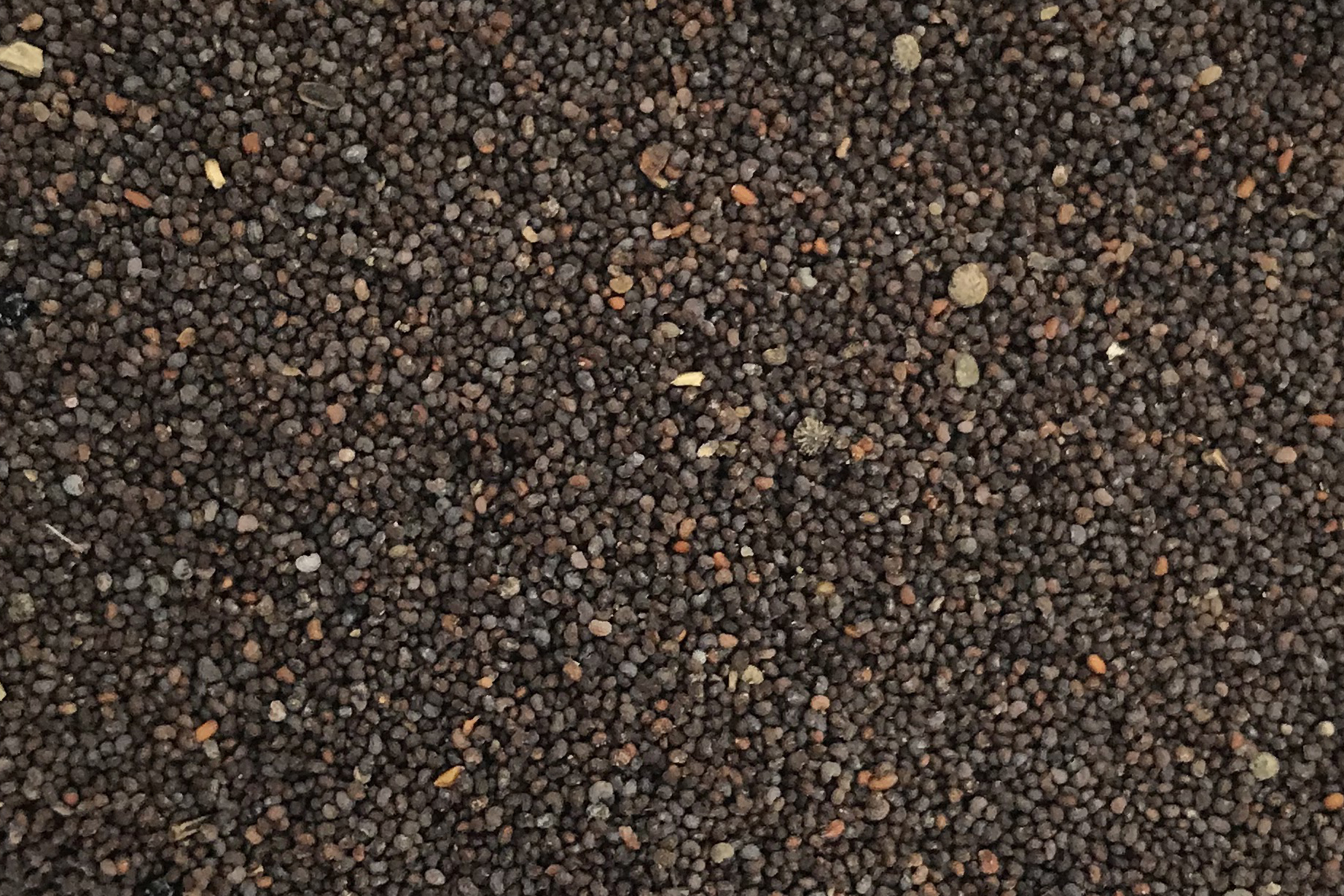
SeedSeed
Each capsule contains around 1,300 seeds, which fall from the capsule 3-4 weeks after the petals fall (around June-August). Seeds can remain dormant in the soil for up to 40 years.
SeedlingSeedling
Germination takes 10-14 days. Seedlings produce orbiculate leaves, true leaves are runcinate with divided segments.
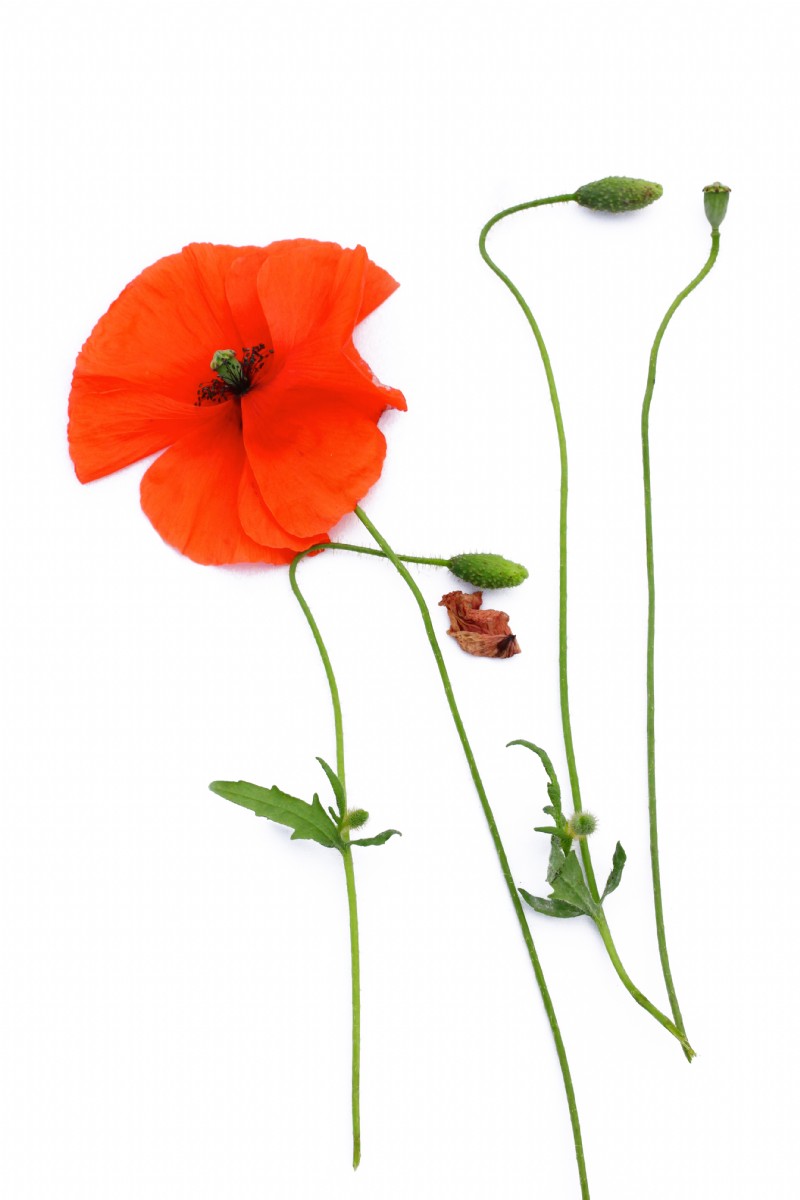
Flowering PlantFlowering Plant
Silky, deep scarlet flowers with spreading hairs on the leaves and stems. The two hairy sepals covering the bud drop off as the flower opens. The dark ridges on top of the ovary are the stigmas, still to be seen on the capsule, which open by a ring of little holes just below the top.
Additional Info
Flowers: June to August The field poppy can also be often referred to as the common poppy, corn poppy, corn rose, field poppy and Flanders poppy. One poppy stamen alone can produce 2 ½ million grains of pollen (unsurprisingly bees are attracted to poppies).
You can find Field Poppy in the following mixtures
History
One plant can produce 17,000 seeds which can lie dormant for decades and longer.
Related Articles

Cotswold Grass Seeds, Cotswold Business Village, London Rd, Moreton-in-Marsh GL56 0JQ
Web design and development by Pixel Concepts


