


 Seed
Seed Seedling
 Flowering Plant
Meadowsweet
This upright perennial can reach 4 ft in height, with its masses of cream flowers, it is sometimes mistaken for one of the parsley family.
Uses
Meadowsweet is the food plant for the larvae of several moth species including the emperor moth, grey pug, Hebrew character, lime-speck pug, mottled beauty, and the satellite. Many species of insects are attracted to the flowers.
Persistence
This upright plant is able to persist into winter.
Strengths
This plant is able to grow in damp soils alongside canals and rivers, as well as water meadows in boggy and seasonally flooded ground. To grow meadowsweet all you need is a spot in full sun with rich, moist soil.
Frost Tolerance
Seedlings may be killed by frost.
Ideal Sowing Time
Can be seeded during the late autumn for spring germination, requiring a period of vernalisation for optimum germination rates. Seeds can take a long time to germinate, generally its about 21 days but it can take up to three months, depending on conditions.
Management
Annual cutting can be used to control coarse and dominant meadowsweet effectively.
Distinguishing characteristics
SeedSeed
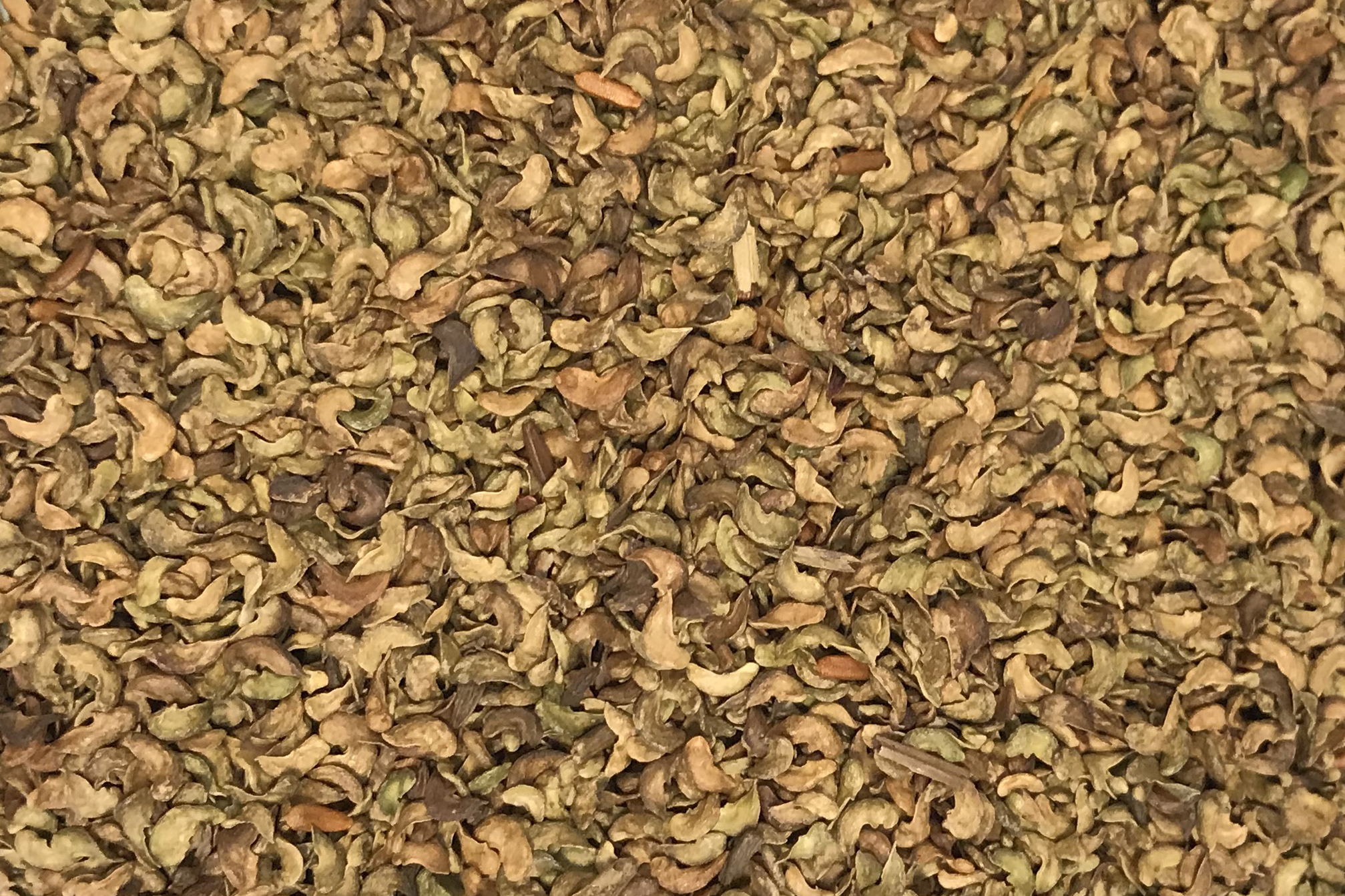
Flattened, kidney shaped seeds with pointed ends, light green-brown in colour.
Seedling
Flowering PlantFlowering Plant
This species has masses of cream flowers, the flower stalks however, are not arranged in umbels, and there are numerous stamens and carpels. The stems are up to 4 feet tall, with leafy stalks. Meadow-sweet has up to 5 pairs of large, strongly toothed leaflets on the lower leaves, which are often white and hairy underneath.
Additional Info
Flowers June-September.
You can find Meadowsweet in the following mixtures
History
Meadowsweet was said to be Queen Elizabeth I’s favourite scent and means ‘queen of the meadow’ in several languages.
Related Articles

Cotswold Grass Seeds, Cotswold Business Village, London Rd, Moreton-in-Marsh GL56 0JQ
Web design and development by Pixel Concepts


