

 Seed
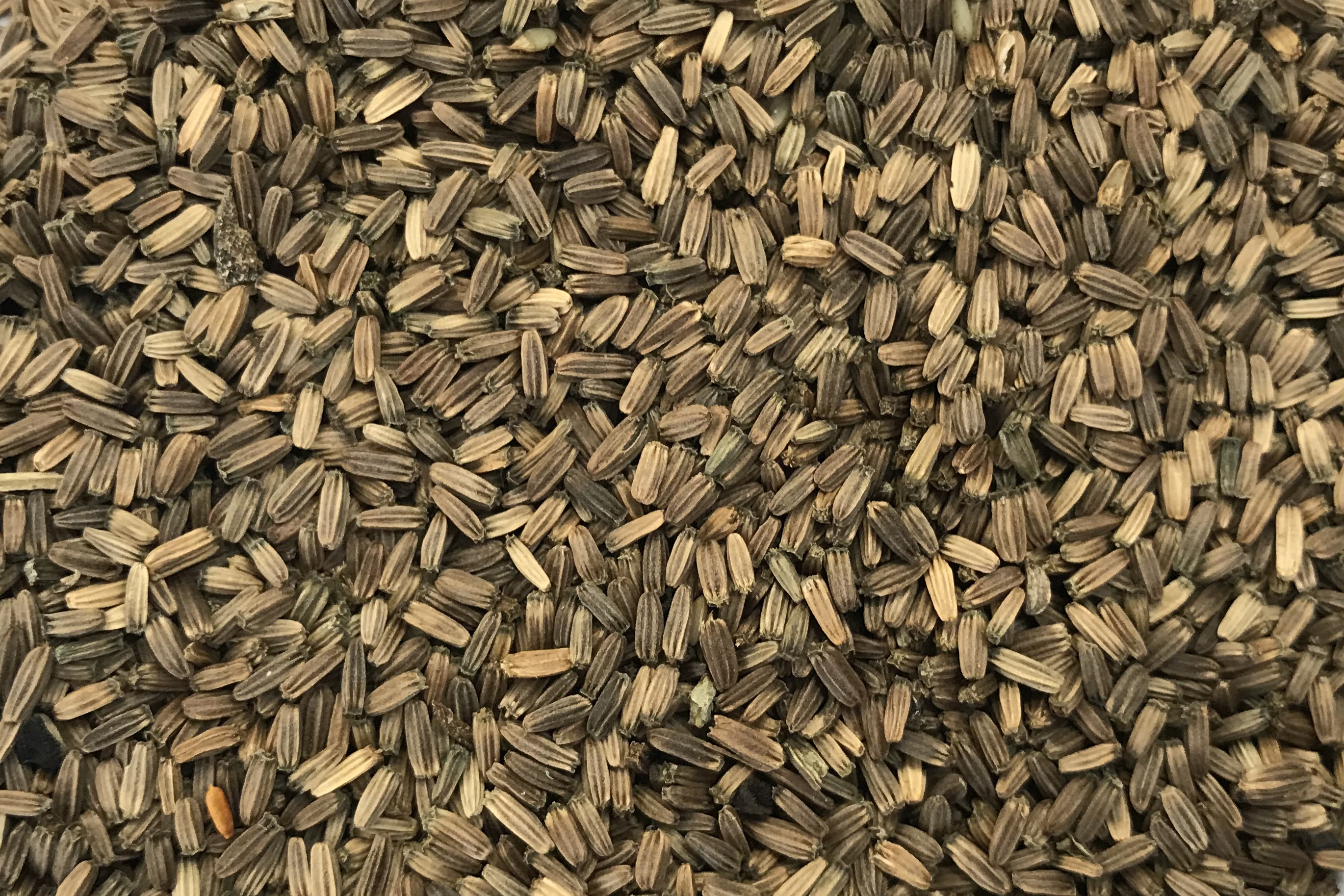
Seed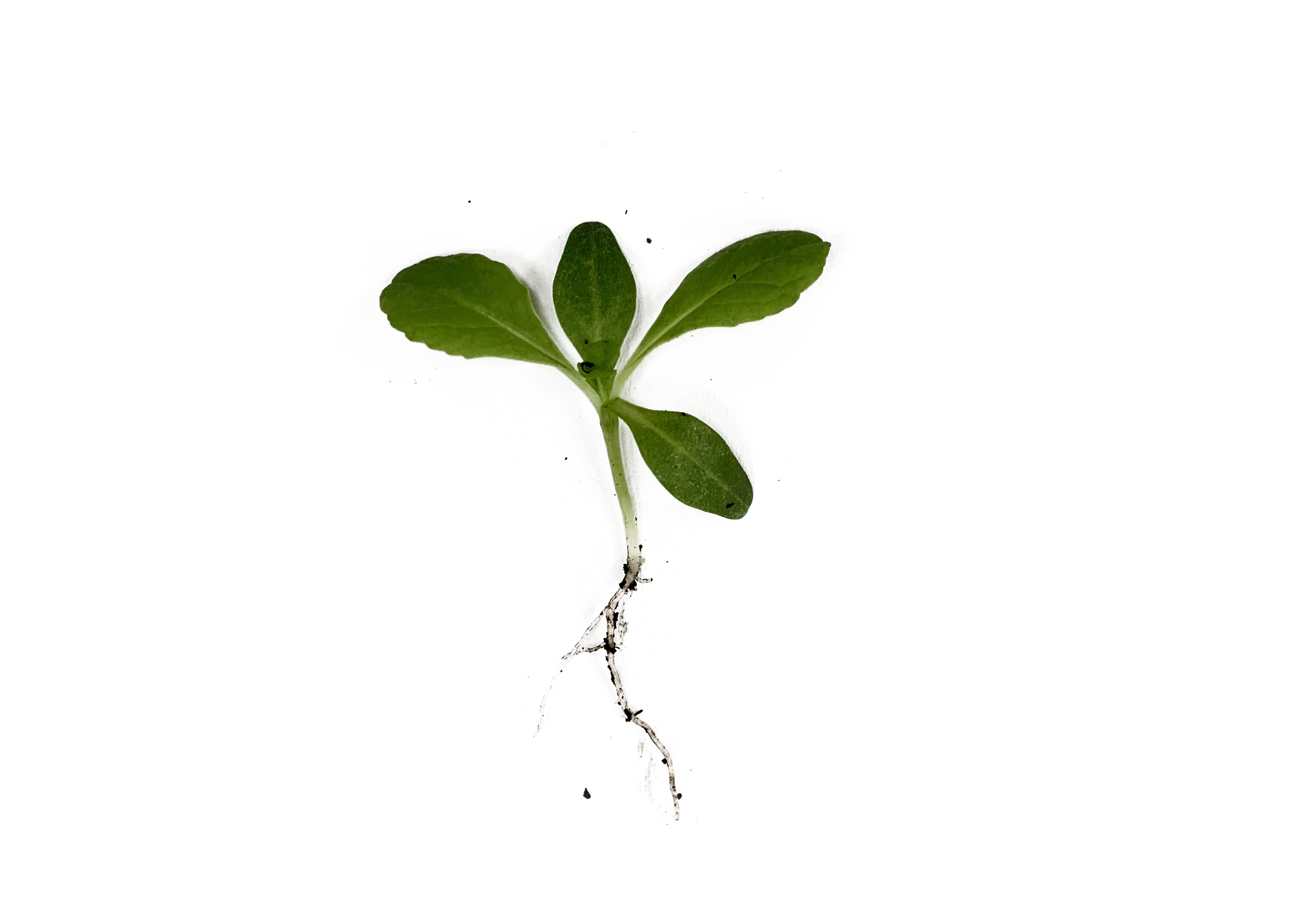 Seedling
 Flowering Plant
Teasel
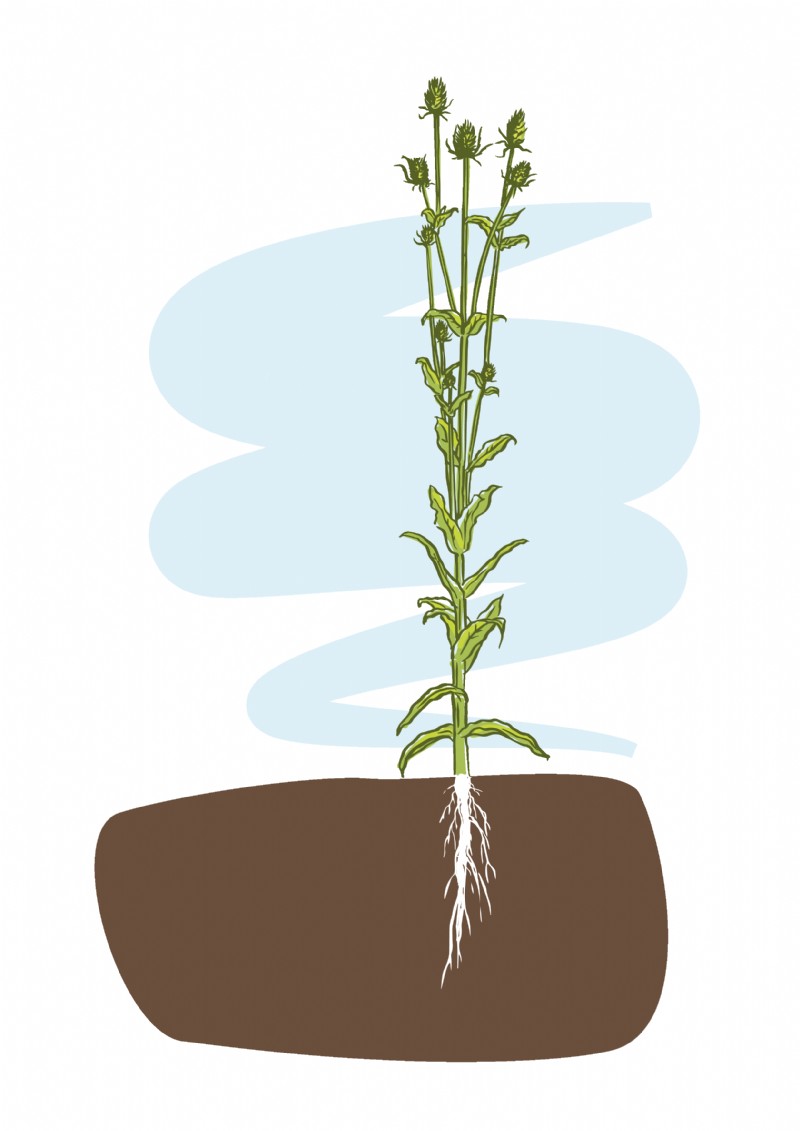
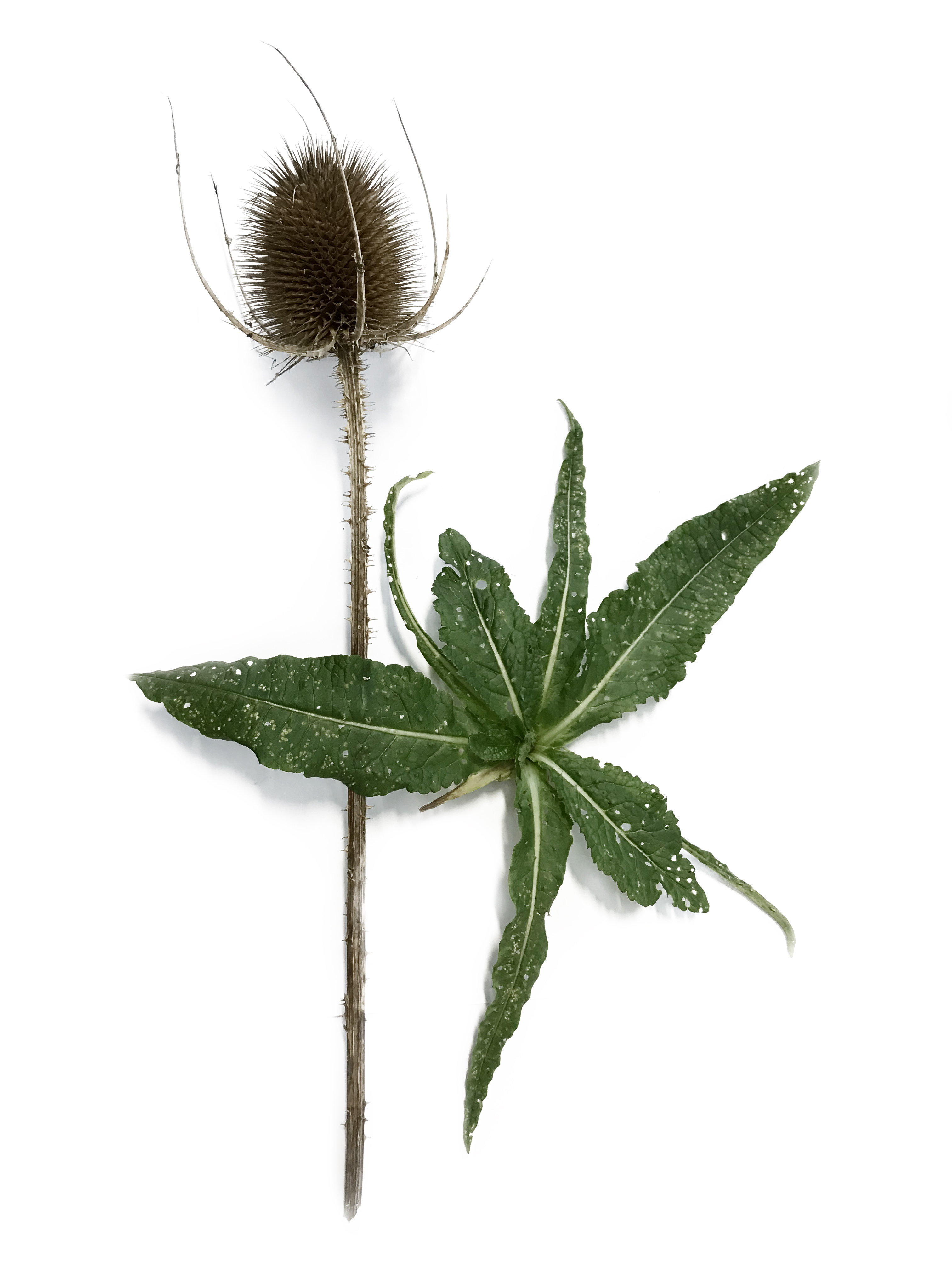
The teasel is best kown for it's brown, prickly stems and conical seed heads, which persist long after the plants themselves have died back for the winter. Between July and August, when teasels are in flower, the spiky flower heads are mostly green with tiny purple flowers, clustering together and appering in rings up and down the flower head.
Uses
Teasel is often visited by bee's and butterflies when in flower, teasel seeds are an important winter food resource for some birds such as the Goldfinch.
Persistence
A tall biennial with tough, prickly, hollow stems, that can grow upto 6 feet high.
Sowing Rate Advice
1 gram per m2
Ideal Sowing Time
Teasels are biennials so they need to be sown in late spring where they are to flower the following year. Beware that once established they will self-seed freely.
Management
Teasel can be very invasive, Tilling or mowing can be used to greatly reduce populations of this plant on farms or in lawns.
Distinguishing characteristics
SeedSeedling
Flowering PlantFlowering Plant
The rosette of short-stalked oblong leaves at the bottom of the plant dies before flowering time. The pairs of stem leaves join round the stem at their base. The flowers, surrounded by spines have tiny cup-shaped calyxes and 4-lobed corollas. The flower-heads often remain through the winter on dead stems.
Additional Info
Flowers July-September Teasel is also known as barbers brushes.
Works well with
Teasel looks best growing with other summer floowering plants such as Knapweed, Musk mallow, Meadow cranesbill and Field scabious.You can find Teasel in the following mixtures
History
A variety with spreading bracts below the flower-head and bracts with curved spines among the flowers. It used to be cultivated in parts of england for the wollen industry, the fruiting heads being used to comb the surface of the cloth and produce a nap.
Related Articles

Cotswold Grass Seeds, Cotswold Business Village, London Rd, Moreton-in-Marsh GL56 0JQ
Web design and development by Pixel Concepts


