

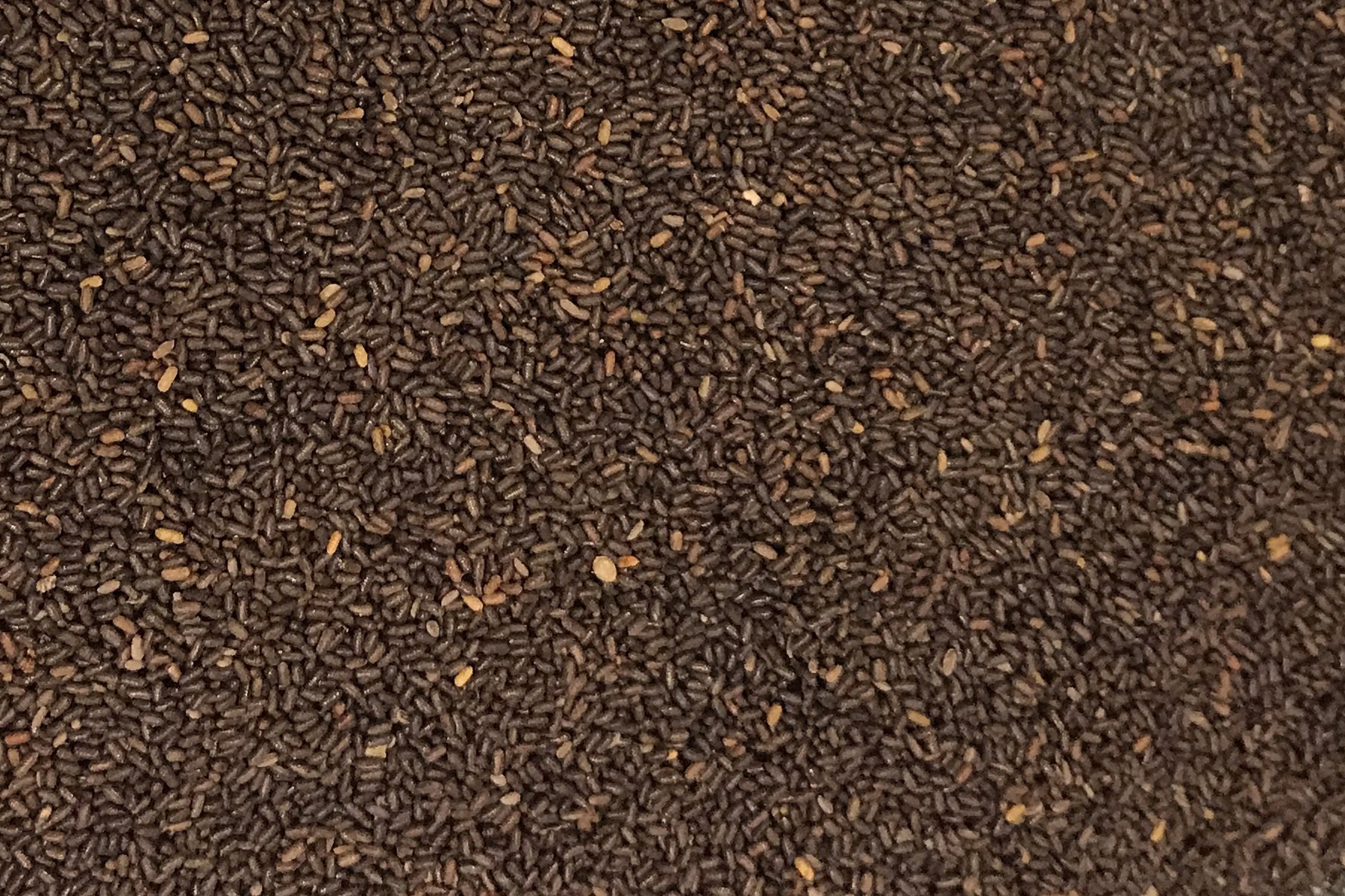
 Seed
Seed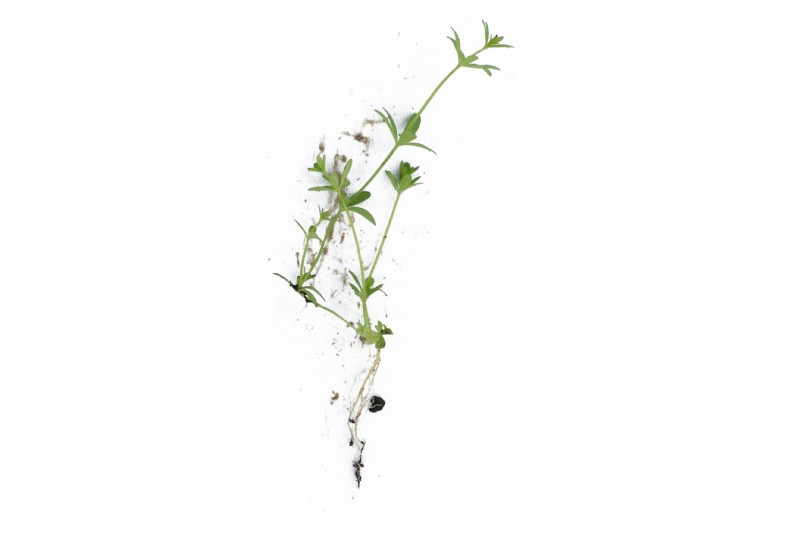 Seedling
Perforate St John's Wort
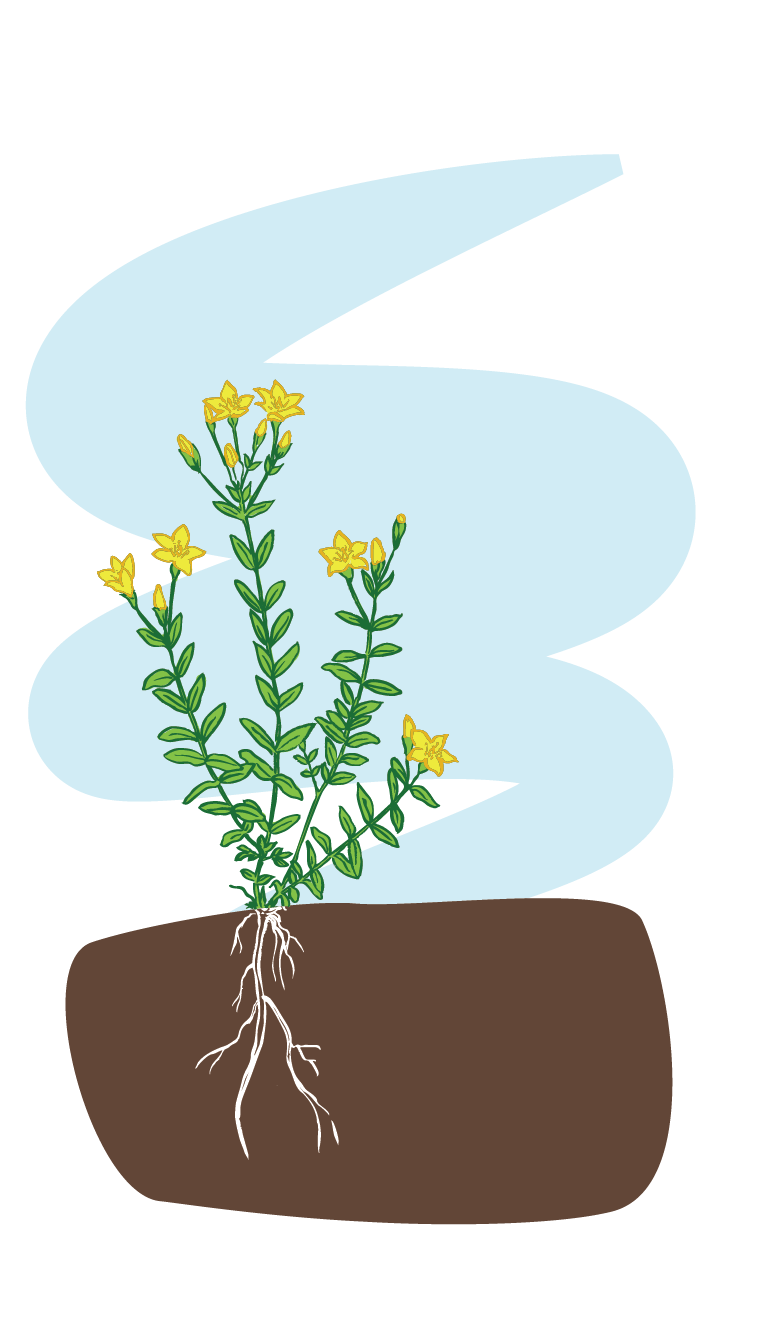
Perforate St John's Wort is a perennial wildflower with golden yellow flowers with black dots along the edge of the petals the leaves when held up to light show many translucent dots hence the common name of Perforate St John's Wort. It is a useful plants for bees and butterflies.
Uses
Perforate St John's Wort is a good general-purpose meadow plant and looks best growing with other wildflowers that bloom in mid to mid late summer.
Persistence
Perforate St John's Wort is a hardy perennial that will grow back each year.
Frost Tolerance
Perforate St John's Wort has a high frost tolerance and resistance to the cold, making it very hardy.
Sowing Rate Advice
1 gram per m2
Ideal Sowing Time
Perforate St John's Wort is best sown in spring or autumn
Distinguishing characteristics
SeedSeedlingFlowering Plant
St John's wort is symmetrically rotate, five rounded golden petals with black dots on the margin. When the flowers are rubbed together, the crushed cells release a red hypericin pigment. Long stamens protrude out of the seed head. Opposite, ovate leaves (1-2cm long) covered in tiny translucent dots form along the stem, which reaches a height of 30-60cm.
Additional Info
Flowers: June to September. St John's wort can easily be misidentified as Ragwort, an injurious and poisonous weed. Whilst St John's wort has reddish, smooth woody stems, Ragwort stems are purple coloured and reach up to 1m height. It's leaves are larger and pinnately lobed, and flowers are found in denser clusters with narrower, daisy-like petals. It also lacks the long stamens easily identifiable on St Johns wort.
Works well with
Perforate St John's Wort works well in mixtures alongside Common Agrimony, Greater Knapweed, White Campion and Small ScabiousYou can find Perforate St John's Wort in the following mixtures
History
Perforate st John's-wort was traditionally used as a remedy for all kinds of ailments, including wounds and burns. St John’s Wort was originally called St Johannes Gyrs (grass) but re-named in 1551. The tops of the young plants, when mordanted with alum, give a yellowish-red dye once used in Scottish tartans.
Related Articles

Cotswold Grass Seeds, Cotswold Business Village, London Rd, Moreton-in-Marsh GL56 0JQ
Web design and development by Pixel Concepts


