


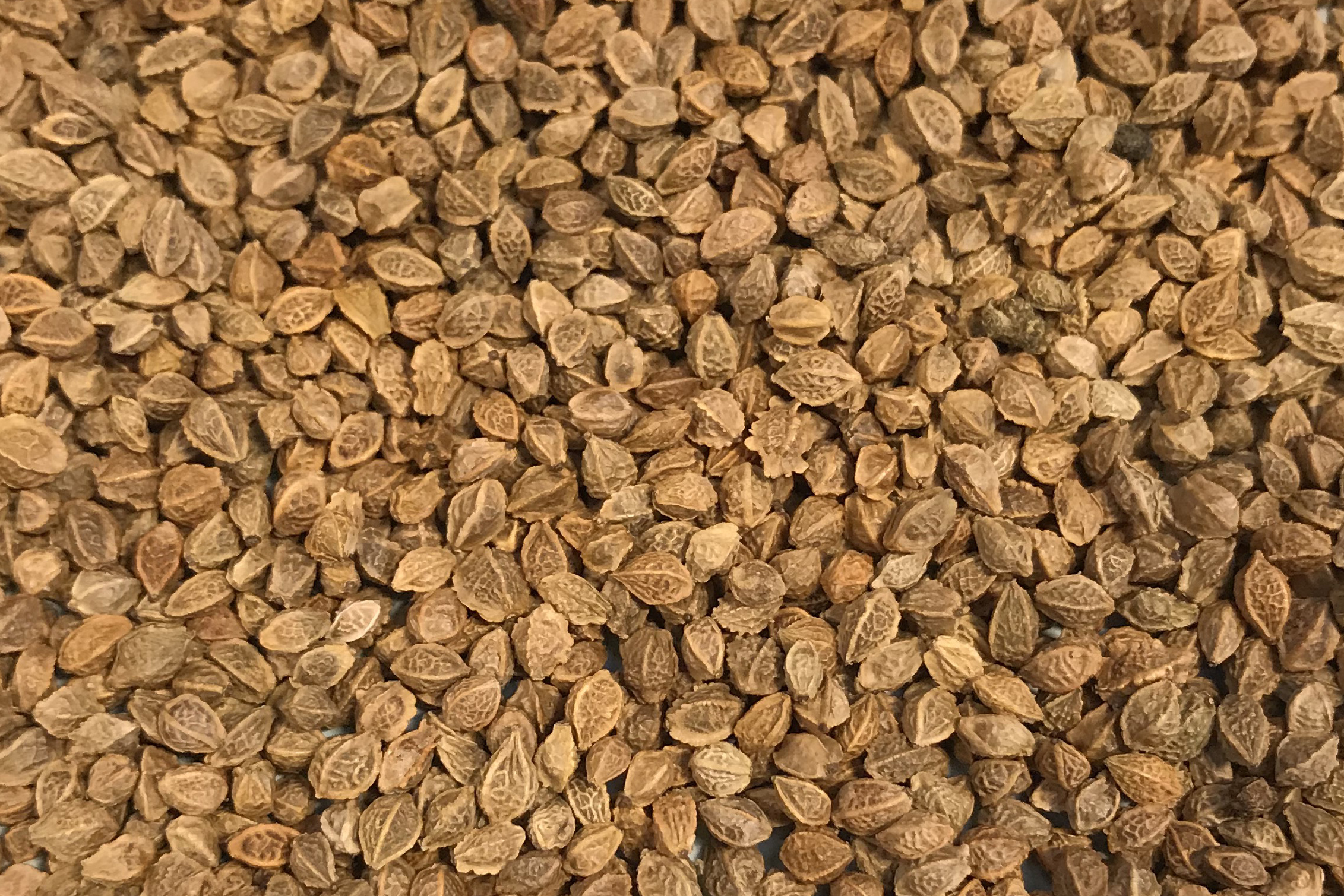
 Seed
Seed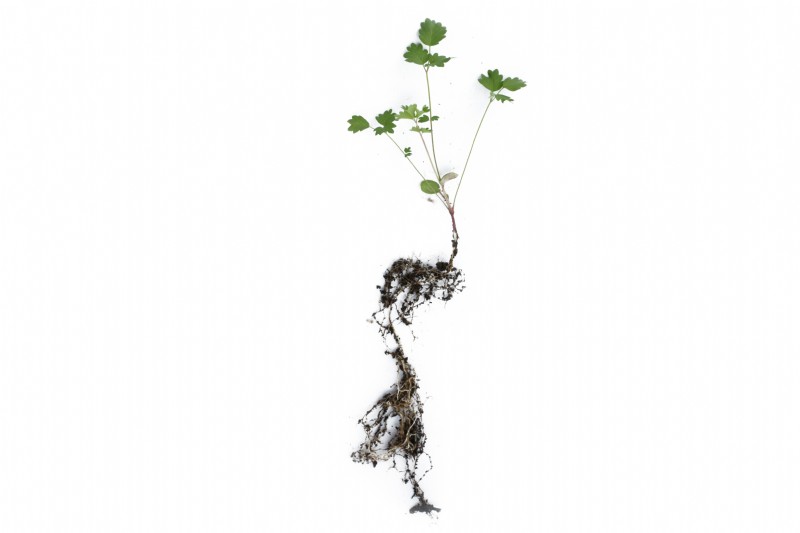 Seedling
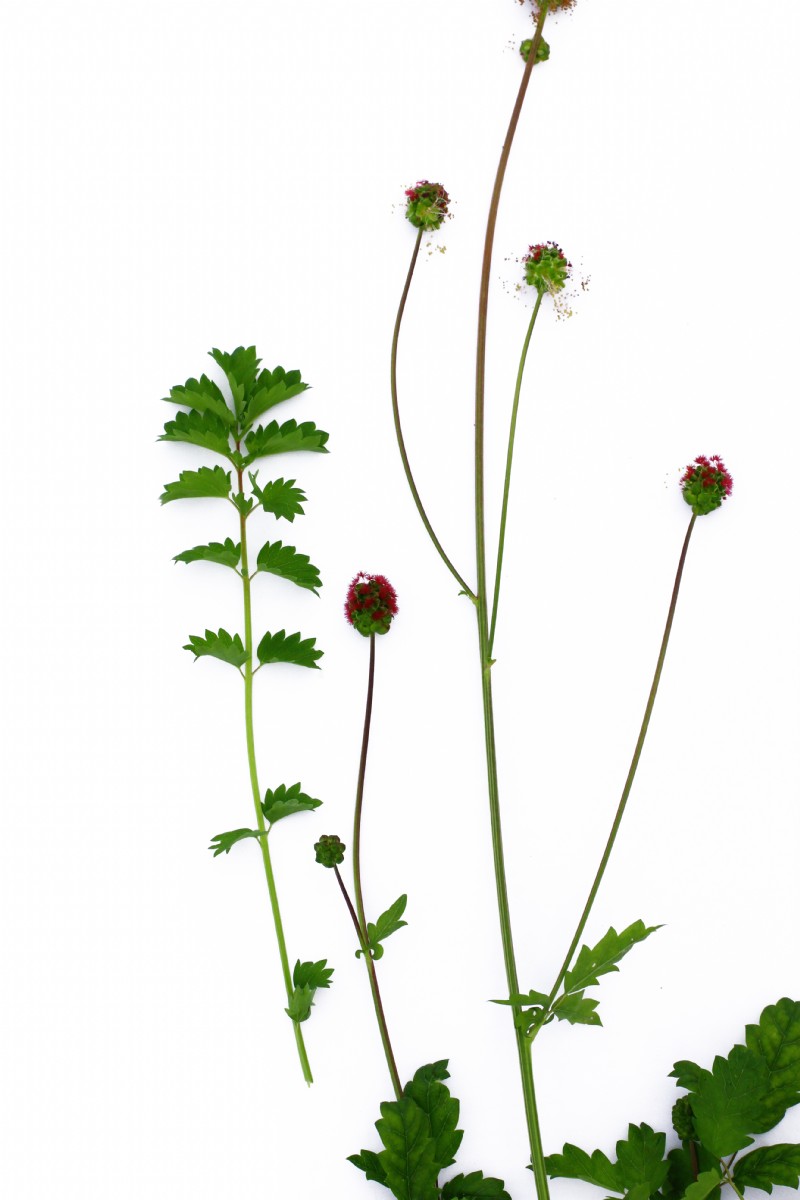 Flowering Plant
Salad Burnet
A pretty wildflower with 4-12 pairs of leaflets all less than 20mm. Mostly found on dry, lime rich. calcerous soils it has pale green flower heads which have a hint of red. The young leaves are edible and with a cool fresh cucumber flavour and fragrance are like by grazing anaimals. Salad burnet is known for attracting bees, beneficial insects and butterflies.
Uses
Salad burnet can be included in a summer flowering meadow
Persistence
This is a longer term perennial that will continue to flower and spread for many years.
Strengths
A low maintenance species that is easily grown from seed sown at any time of the year. It is pest and disease free
Frost Tolerance
Salad burnet is frost and drought tolerant
Sowing Rate Advice
1 gram per m2
Ideal Sowing Time
Sown in spring or autumn seeds are quick to develop
Management
This is a very hardy plant however it does require consistant moisture and well drained soil for best results.
Distinguishing characteristics
SeedSeed
Oval shaped, angular seed (3-4mm long), with obviously raised fins running along its length. Light brown colour, rough textured surface.
SeedlingSeedling
Seedling has orbiculate leaves, less than 2cm long. True fleaves become abrupt dentate.
Flowering PlantFlowering Plant
Flowers in round heads, the upper with red styles, the lower with yellow stamens. The sepals are green and the flower-heads have no petals.
Additional Info
Flowers: May to July Smells like cucumber when crushed. Salad Burnet leaves taste and smell similar to cucumber and traditionally were said to make a nice addition to a salad.
Works well with
Salad burnet looks best when sown with ox-eye daisies, greater Knapweed, Meadow cranesbill and small scabiousYou can find Salad Burnet in the following mixtures
- Floristically Enhanced Field Margin (CIPM2/IPM2/AB8)
- Chalk & Limestone Soil Mixture
- Nectar Stewardship Mix (CIPM2/IPM2/AB8)
- Cotswold Wild Flora
- Vineyard Grass Surface Pollinator Mix
- Meadow Over-Seeding Just Wild Flowers
Related Articles

Cotswold Grass Seeds, Cotswold Business Village, London Rd, Moreton-in-Marsh GL56 0JQ
Web design and development by Pixel Concepts


