

 Seed
Seed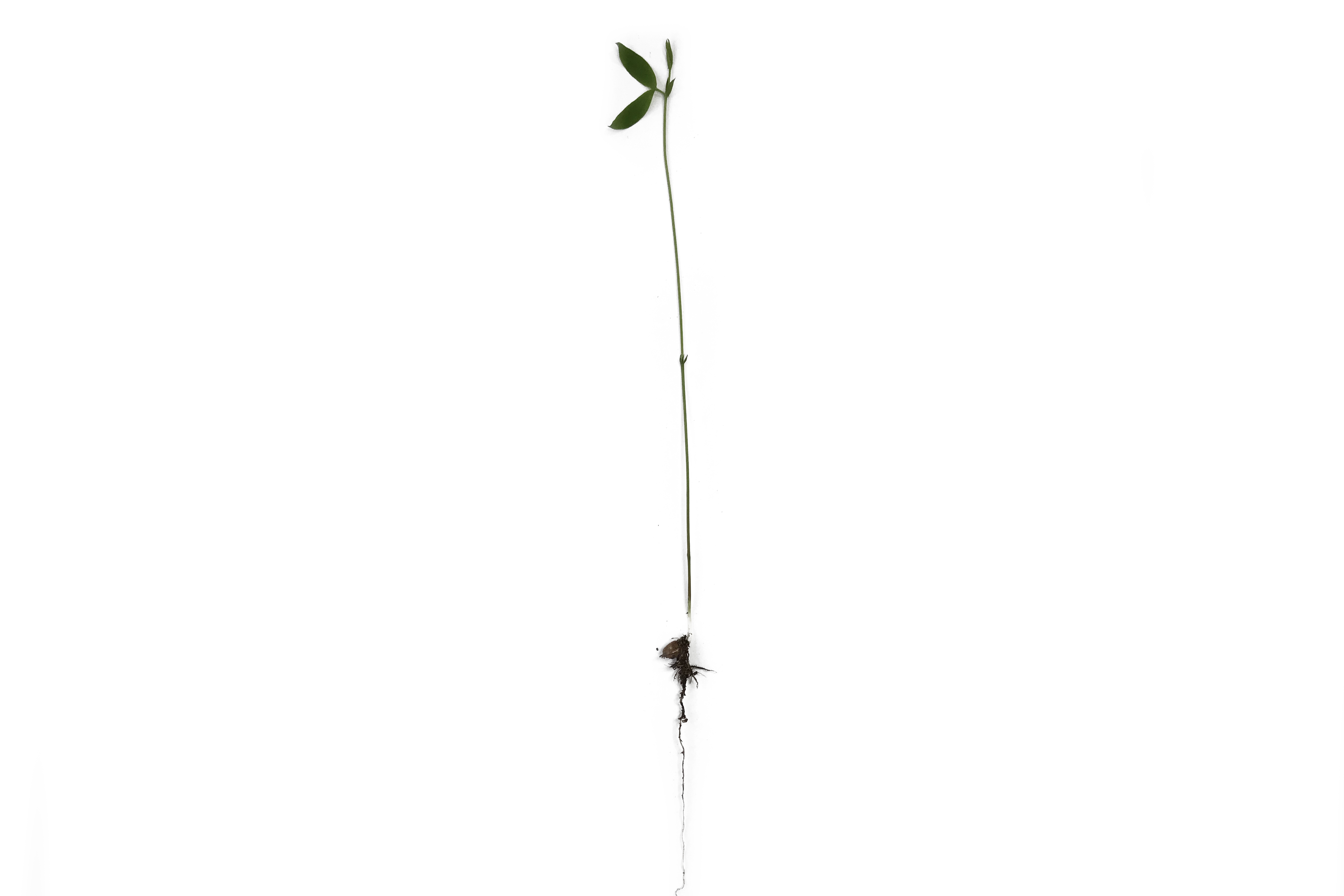 Seedling
Meadow Vetchling
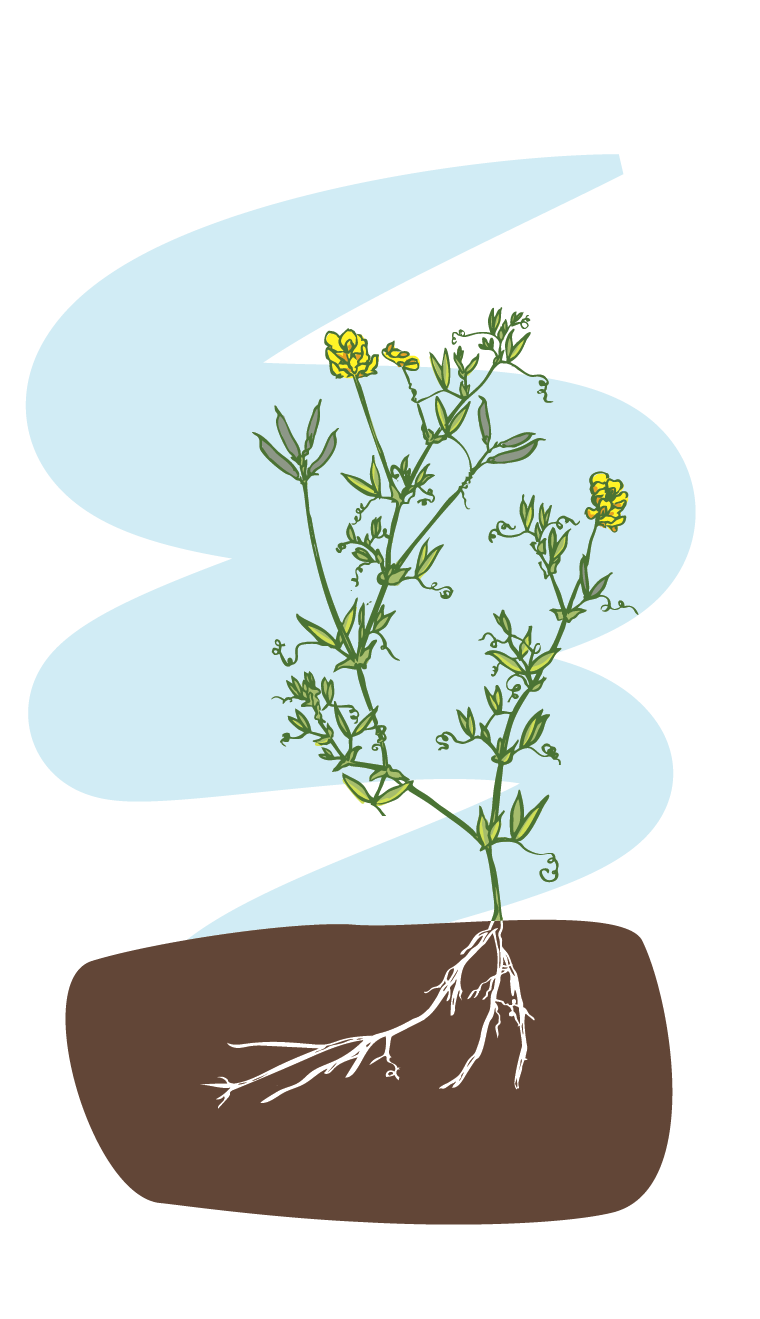
This perennial species grows up to 3 ft in height and is known to ‘scramble’, meaning it delicately climbs up and over other plants for support. Clusters of flowers are produced on long upright stems.
Uses
Butterflies, bees and wasps visit the nectar-rich flowers.
Persistence
Its scrambling habit can result in it becoming locally dominant, Meadow Vetchling is more dependent upon rhizomal spread than seed drop to regenerate and so is able to persist within pasture and meadows where plants are cut back before seed pods have ripened.
Strengths
One of the first wildflowers in the year to reach flowering. Produces nodules which fix atmospheric nitrogen, increasing soil fertility.
Ideal Sowing Time
This can be sown at any time of the year but Autumn is advised.
Management
Cutting or grazing may be required to ensure this does not spread more than desired.
Distinguishing characteristics
SeedSeed
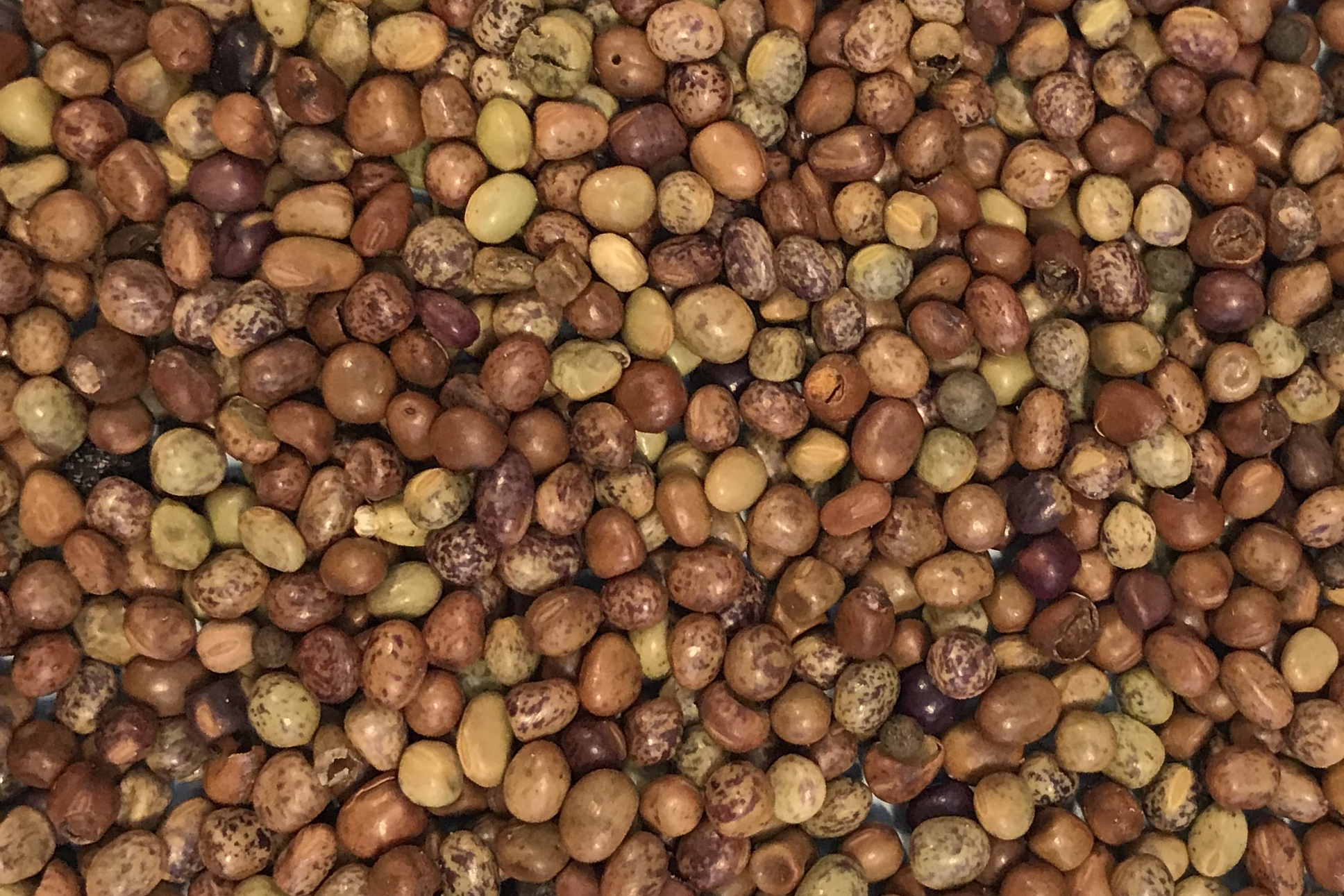
Approximately 60 seeds per gram. Seed pods are
black and flattened when ripe. They contain 5-10 seeds.
Seeds are high in protein, being a valuable feed source to
animals
SeedlingFlowering Plant
Thin, rather weak stems, it may reach up to 3 feet in height by scrambling over other plants, climbing by means of its tendrils. These tendrils are in fact modified leaves. There are green leafy stipules at the base of the leaf stalk.
Additional Info
Flowers: May to August Meadow vetchling is also known as 'Meadow Pea' and 'Fingers-and-thumbs'. It is closely related to the everlasting and sweet peas.
Works well with
Meadow Vetchling looks best growing with other plants that bloom in mid-summer such as Meadow Cranesbill, Tufted Vetch, Upright Hedge Parsley and Meadow Sweet.You can find Meadow Vetchling in the following mixtures
History
Native to Europe and Asia.
Related Articles

Cotswold Grass Seeds, Cotswold Business Village, London Rd, Moreton-in-Marsh GL56 0JQ
Web design and development by Pixel Concepts


