
 Seed
Seed Seedling
 Vegetative Growth
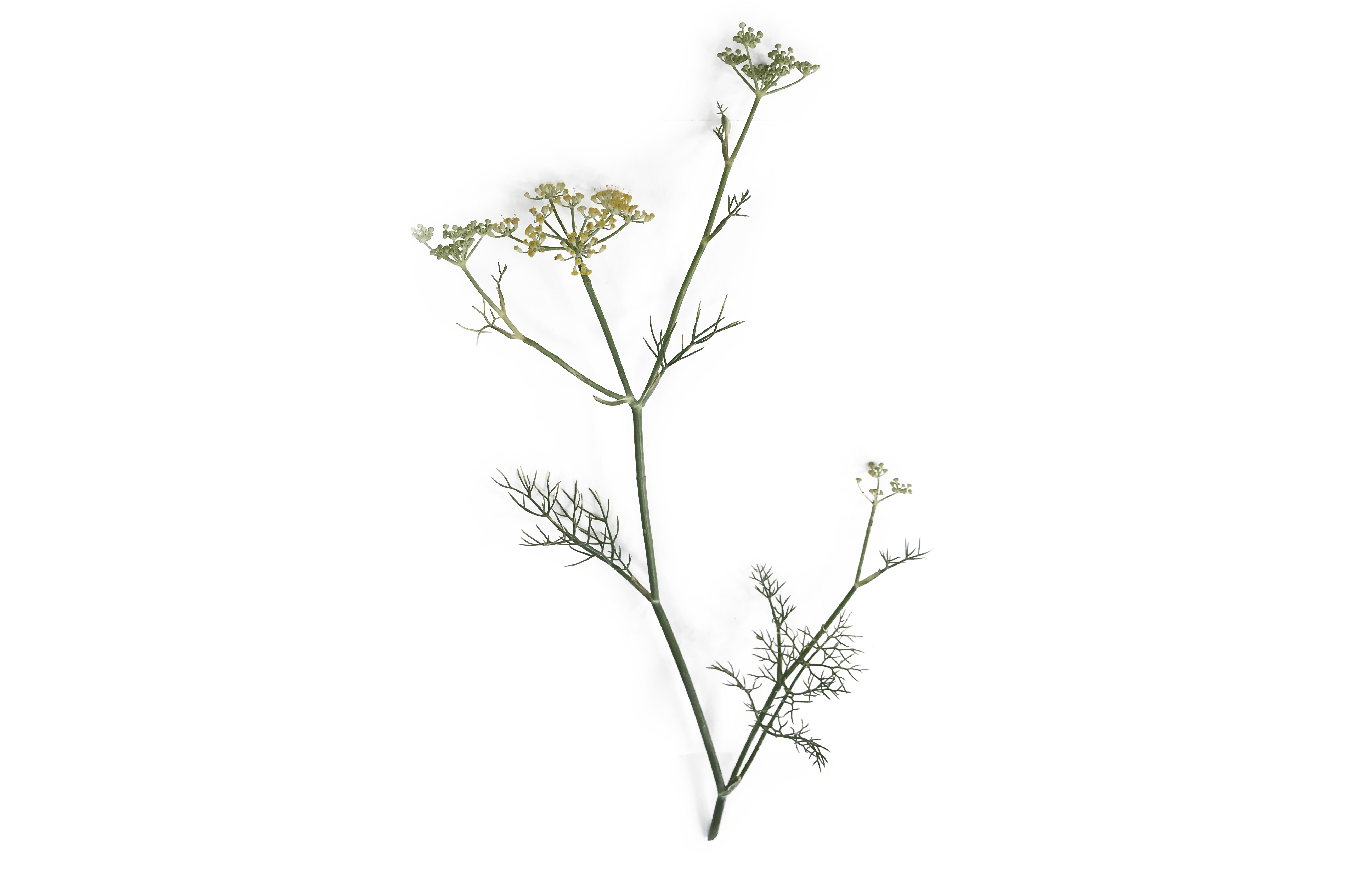 Flowering Plant
Fennel
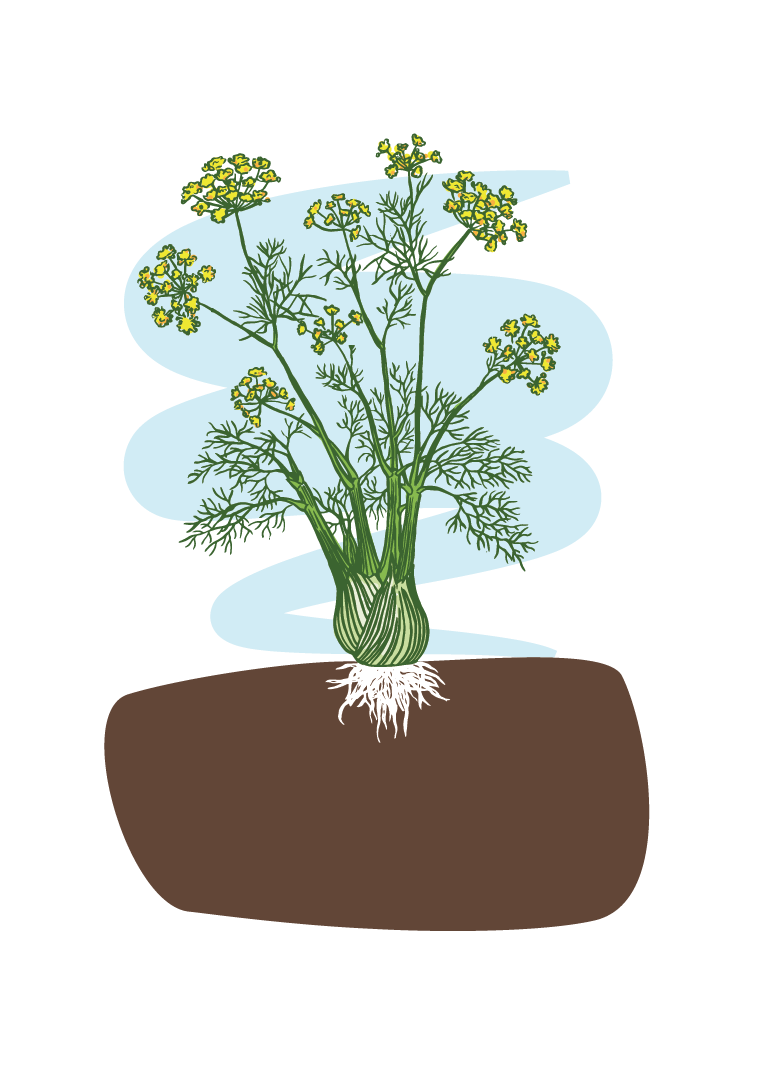
An easy to establish short term perennial herb, feathery in apperance with a notable 'aniseed' smell and yellow flowers.
Uses
in the agricultural sector it is used in some game cover mixtures especially to attract partridge. It can be planted alongside maize.
Persistence
3 years
Strengths
produces tall gamecover for game and farmland birds, unique aniseed scent attracts birds. Its yellow flowers through summer are attractive to pollinators and other beneficial insects. Reaches up to 2.1m high
Frost Tolerance
Tolerant to frost
Sowing Rate Advice
5kg/acre (12.5kg/ha)
Ideal Sowing Time
April - early June
Management
Can be topped at the end of the first year/early spring for weed management
Distinguishing characteristics
SeedSeed
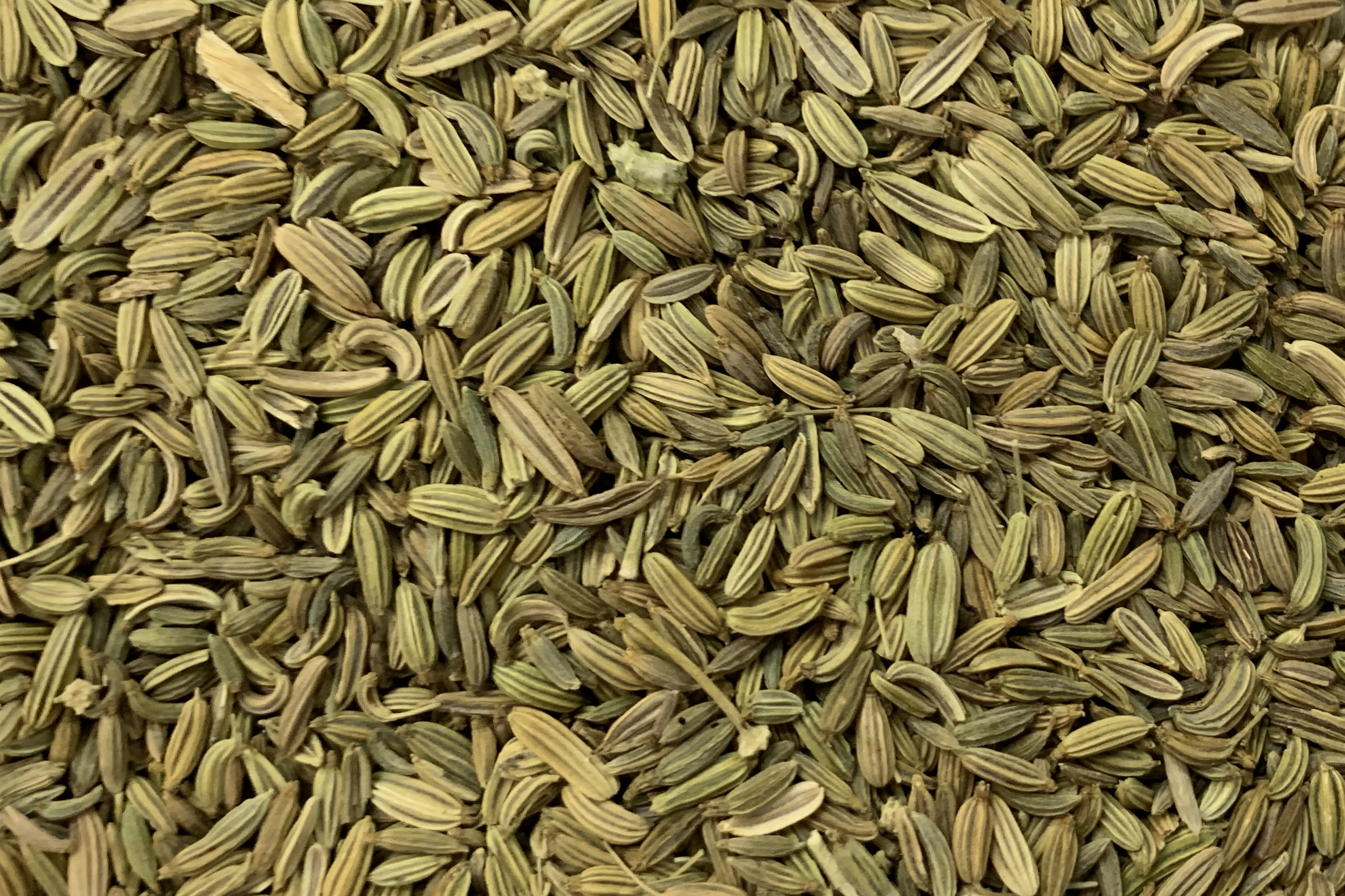
Oblong shaped, with distinctive ribs running from length to length. Can be straight like rice or curved into a crescent. Green-light brown colour. It is a larger seed, at 4-8mm
SeedlingSeedling
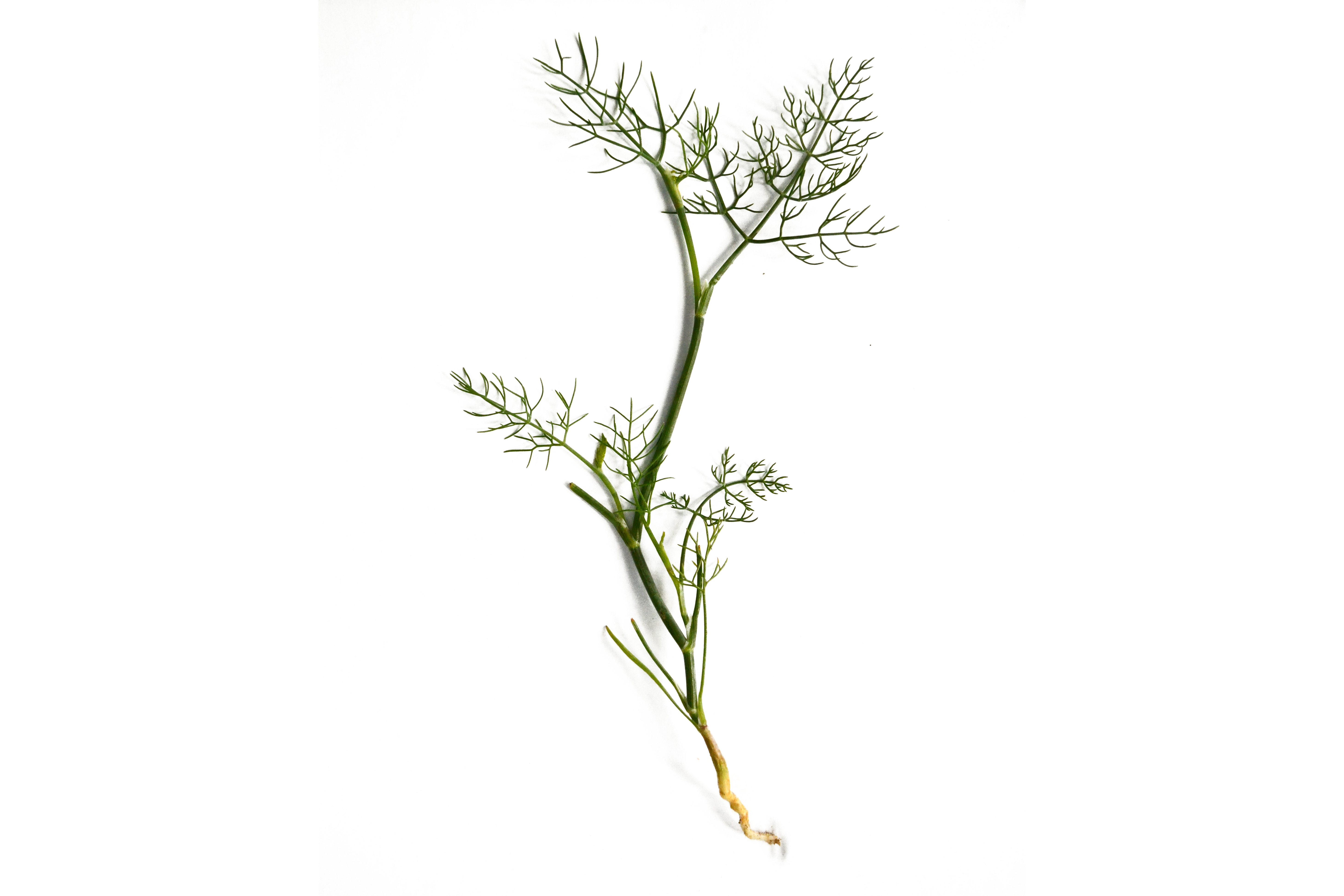
Two distinct cotyledons, they are longer than the first true leaf. First true leaf is finely dissected, with thread-like (filiform) leaves.
Vegetative State
Flowering PlantFlowering Plant
Compound umbels form clsuters of 20-50 small mustard yellow flowers on short pedicels. Blooms in July-August. Forms triternate, finely dissected branches, leaves are thread-like, only 0.5mm wide. Stem is hollow, erect and light green in colour, reaching up to 2.5m. As the plant dies off in winter, it remains as a woody skeleton.
Additional Info
Looks similar to sheep's parsley or dill. Average seeds per kg - 135,000.

You can find Fennel in the following mixtures
- Autumn Sown Bumblebird (AHW1/AB16)
- Flexi Game Cover 2 Year Mix 50% Organic
- FlexiCover Two Year Game Mix
- Cotswold Partridge Game Mix
- Cotswold Partridge Mix 50% Organic
- Two Year Wild Bird Food - CEREAL SEPARATE (CAHL2/AHL2/AB9)
- Two Year Wild Bird Seed Mix 50% ORGANIC CEREAL SEPARATE
History
Native to Southern Europe and Asia, traditionally grown for flavouring a medicinal properties.
Related Articles

Cotswold Grass Seeds, Cotswold Business Village, London Rd, Moreton-in-Marsh GL56 0JQ
Web design and development by Pixel Concepts


