


 Seed
Seed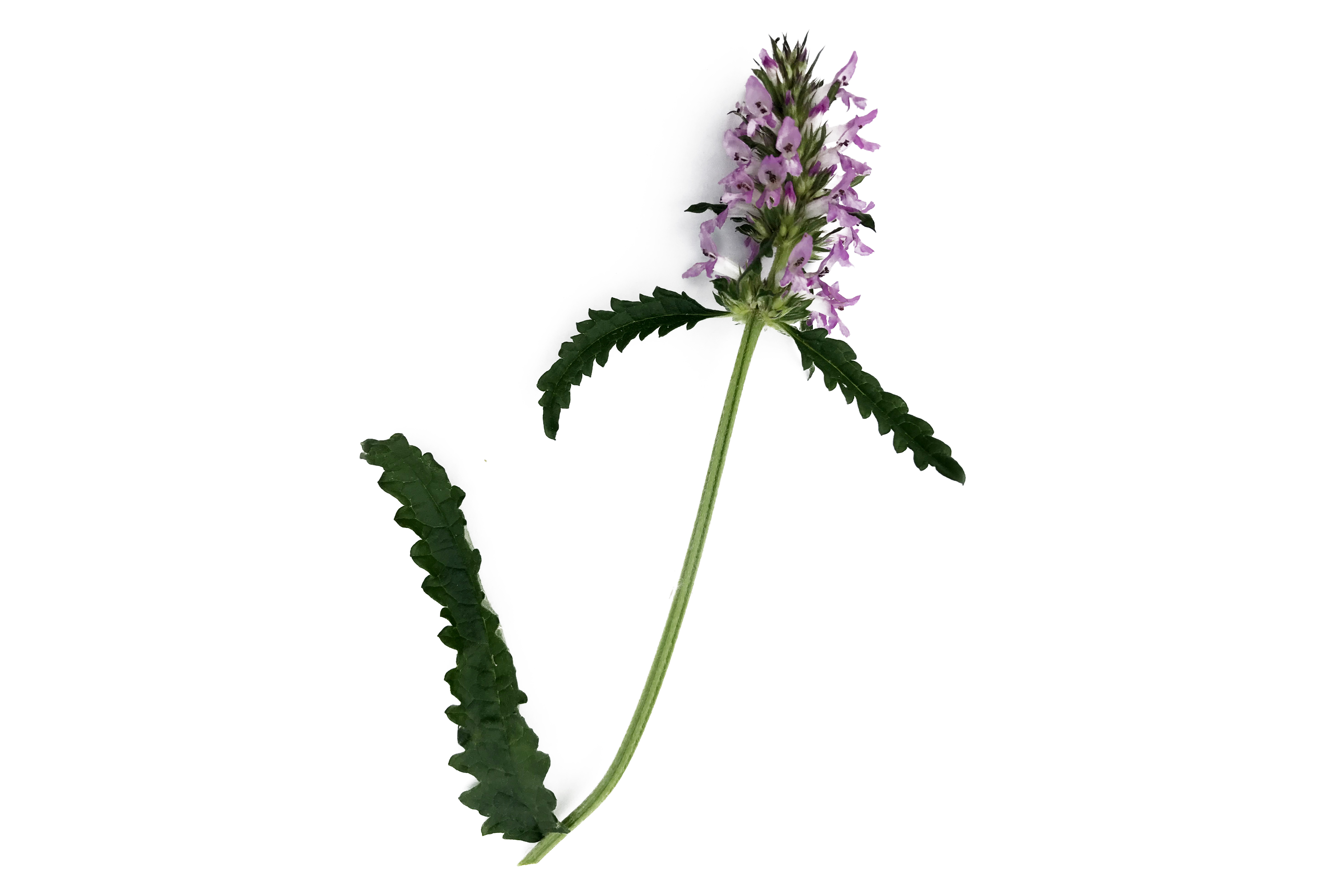 Flowering Plant
Betony
Betony is a very attractive addition to any wildflower mix, its vibrant colour and lack of maintenance required make it an ideal choice.
Uses
Betony adds vibrant colour to any meadow and is undemanding and easy to care for so a good addition with wildflowers.
Persistence
Betony will eventually lose out to taller species which are more dominant when planted on land that is not managed by grazing or cutting.
Strengths
Betony is long lived and able to grow on infertile soils, it does not spread around uncontrollably and overtake meadows.
Ideal Sowing Time
Sow in late summer/autumn as betony requires vernalisation (a period of cold weather) in order to germinate.
Management
Betony requires very little maintenance and is able to survive fairly well through drought once it is established. It can struggle to survive when not in grazed or cut meadows with taller more competitive species.
Distinguishing characteristics
SeedSeed
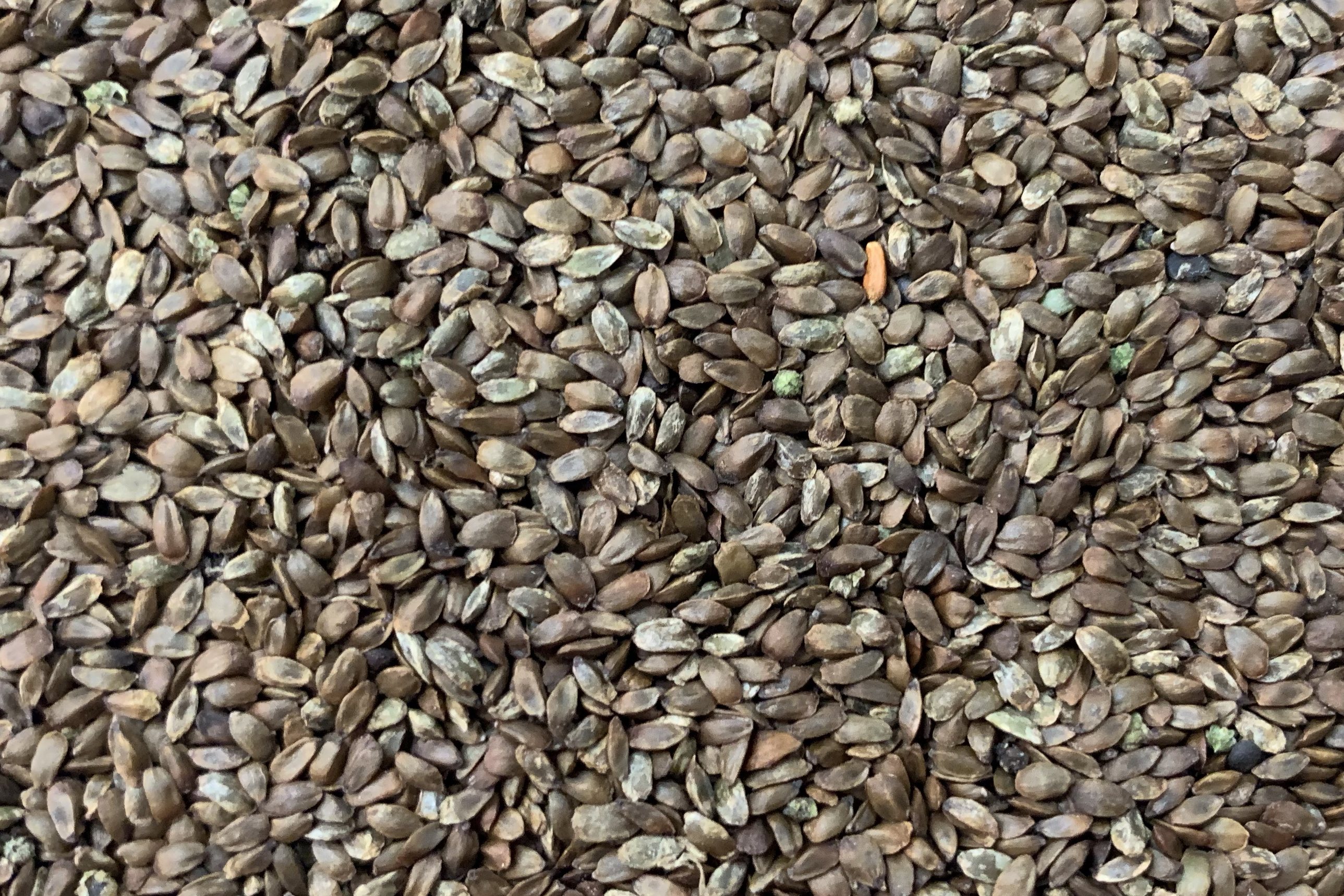
Betony seeds are very small, a dark brown colour and oval in shape.
Seedling
The seedlings create round/oval shaped leaves sprouting off of individual long stems, the leaves appear shiny but are slightly hairy and have uneven rounded edges.
Flowering PlantFlowering Plant
Short to medium hairy perennial, usually unbranched. The sparsley hairy stem carries only two or three pairs of leaves, which are oblong in shape and slightly toothed. Flowers are reddish-purple in colour and are in tight oblong spikes. Grows to a height of between 40-60cm
Additional Info
Flowers: June to October One of Betony’s alternative names is Bishop’s Wort.
Works well with
Betony works well with Greater Knapweed, Oxeye Daisy, Ladies Bedstraw and Meadow Cranesbill to create a colourful, vibrant meadow that is attractive to bees, insects and birds.You can find Betony in the following mixtures
History
Antonius Musa, physician to the emperor Augustus believed Betony would cure no less than 47 disorders from backache, migraines and arthritis to even hangovers. Betony is commonly found in old country churchyards, where it was planted in the past for its medicinal value.
Related Articles

Cotswold Grass Seeds, Cotswold Business Village, London Rd, Moreton-in-Marsh GL56 0JQ
Web design and development by Pixel Concepts


